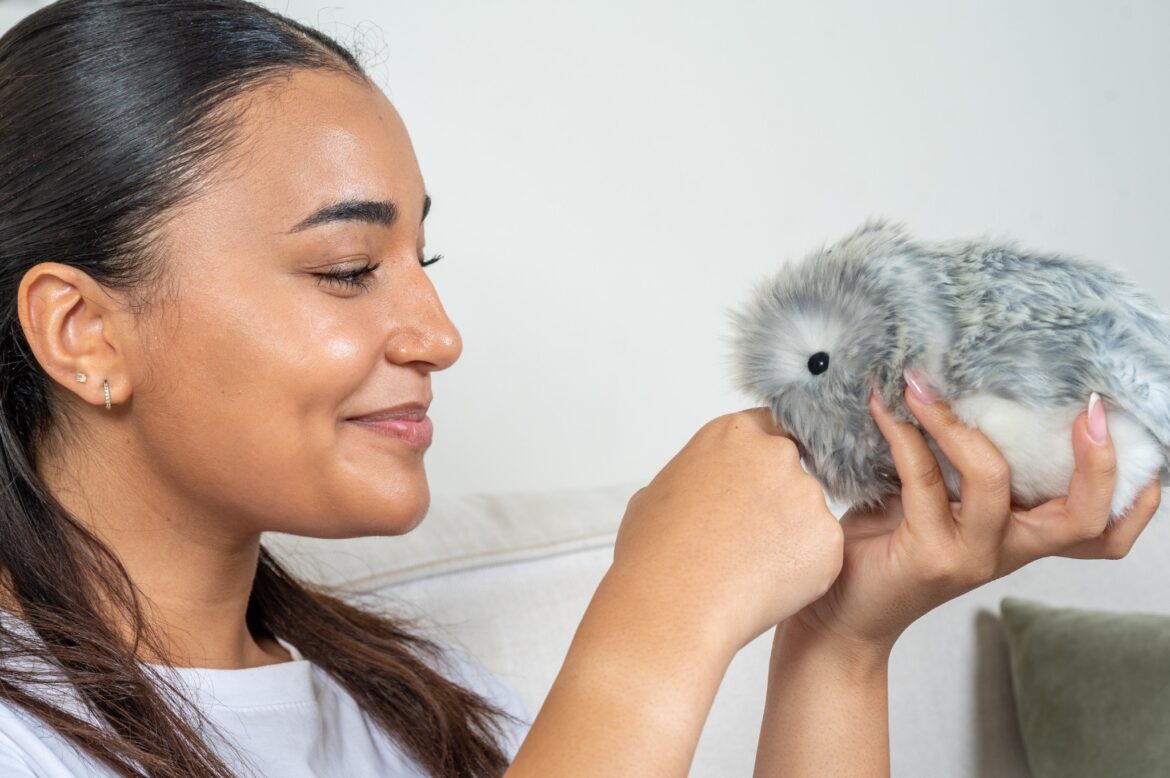
As conversations around mental wellbeing continue to grow in the UK, CASIO is shining a spotlight on how small daily responsibilities could positively impact self-care habits. To coincide with this year’s Mental Health Awareness Week, the tech brand has unveiled new research linked to its emotionally responsive AI companion, Moflin.
The findings suggest that caring for something else — whether it’s a pet, plant, or even a sentimental object — can help people feel calmer, more grounded, and emotionally supported.
The Rise of ‘Micro-Responsibilities’ and Self-Care
According to the survey of 2,000 UK adults, 57% believe that caring for something else is a valuable form of self-care, while 64% say the act makes them feel better emotionally.
The research also revealed a growing awareness around teaching emotional wellbeing from an early age. Nearly 89% of respondents — including 91% of Gen Z participants — believe children should learn self-care practices early in life. However, only 22% said they were taught these habits themselves as children.
Participants highlighted several key benefits of early self-care education, including:
- Encouraging healthier sleep, hygiene, and nutrition habits
- Supporting emotional regulation
- Improving overall mental wellbeing
The findings align with wider conversations around mindfulness, emotional resilience, and digital wellbeing, themes that continue to gain momentum globally.
What Is Moflin?
Unlike traditional robot toys, Moflin is designed as an emotionally intelligent AI companion capable of learning and evolving through interaction.
The palm-sized device can recognise human voices, respond to affection such as cuddling or petting, and adapt to its owner’s habits over time. CASIO says each Moflin develops a unique personality over a 50-day period, with more than four million possible emotional profiles depending on how it is cared for.
The companion also connects to the MofLife app, allowing users to track emotional responses, interactions, and behavioural patterns through visual insights and animated displays.
Dr. Zoe Williams Explains the ‘Care Effect’
TV doctor and wellness advocate Dr. Zoe Williams has partnered with Moflin to discuss what CASIO calls the “Care Effect” — the emotional benefits people can experience through nurturing something beyond themselves.
Williams explained that modern self-care is becoming “less prescriptive” and more personalised, moving beyond traditional wellness trends like spa treatments and meditation.
She noted that caring for something external can act as a form of mindfulness by helping individuals slow down, regulate stress, and restore balance during overwhelming periods.
Britain’s Most Popular Self-Care Habits
The OnePoll research also uncovered some of the UK’s most common self-care activities. Alongside familiar practices like walking, reading, and listening to podcasts, many respondents listed everyday responsibilities such as:
- Ironing
- Washing the car
- Looking after pets
- Gardening
- Tidying the home
On average, adults reported practising self-care four times a week for a combined total of more than three hours.
Emotional AI Continues to Grow
The emotionally supportive AI market is expected to expand rapidly over the next few years, with estimates suggesting the sector could grow from approximately £666 million in 2022 to over £2.2 billion by 2027.
As AI companions become increasingly mainstream, products like Moflin are positioning themselves at the intersection of technology, wellbeing, and emotional support.
Where to Buy Moflin
Moflin is available directly through CASIO UK with an RRP of £369.