A new nationwide study has revealed that body shame is quietly shaping how millions of people across the UK live, socialise and even perceive themselves. According to fresh research from digital healthcare provider Voy, a staggering 82% of Brits admit to feeling embarrassed or self-conscious about their bodies — highlighting what experts are calling a “silent epidemic.”
The study, which surveyed 15,000 UK adults, paints a stark picture of a nation grappling with body image concerns that extend far beyond occasional insecurity.
How Body Embarrassment Is Affecting Daily Life
Body shame isn’t just about appearance — it’s influencing real-life decisions. The research found that 68% of respondents say their body image impacts their everyday lives, from what they wear to how they interact socially and professionally.
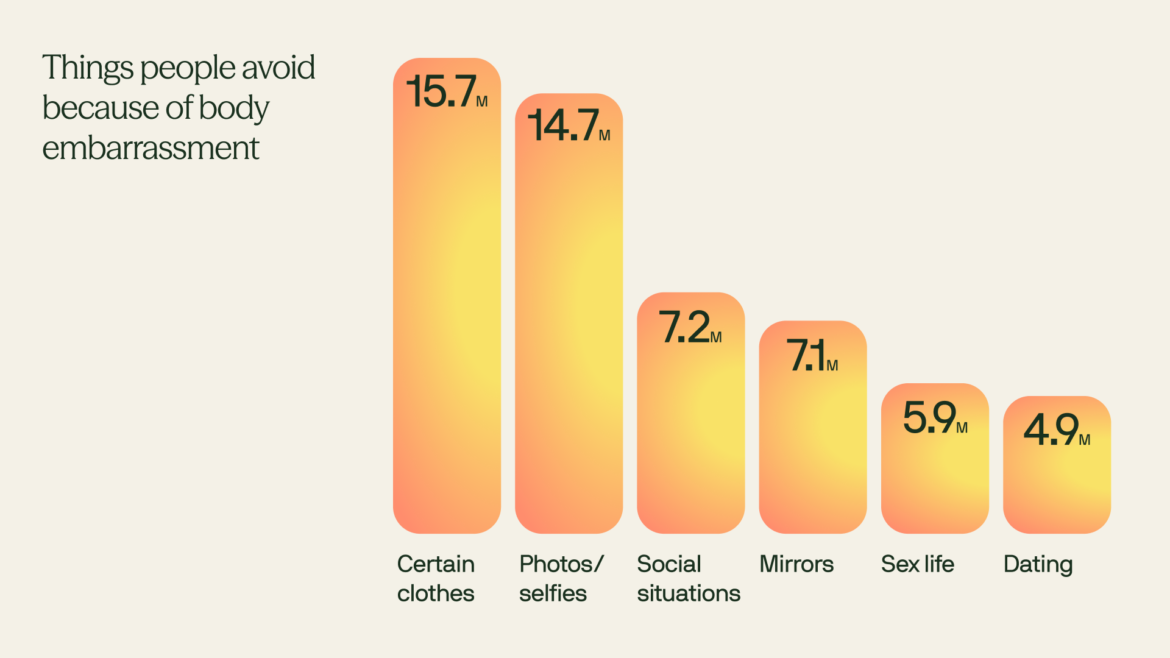
Many people are actively avoiding situations that might draw attention to their bodies:
- 35% avoid wearing certain clothes
- 33% steer clear of being in photos
- 25% say body concerns contribute to anxiety or depression
This growing link between body image and mental health echoes wider conversations around wellbeing. For more on mental health trends in the UK, visit Verge Magazine’s Health section.
Stigma Still Dominates the Conversation
Despite increasing awareness around body positivity, stigma remains deeply rooted. Only 8% of respondents believe that weight-related stigma is a thing of the past — suggesting that societal pressures are far from fading.
Even more concerning is how rarely these issues are discussed. Nearly two in five people (39%) say they’ve never spoken to anyone about their body-related concerns, revealing a culture of silence that continues to reinforce insecurity.
A Growing Gap Between Experience and Action
Although body shame is widespread, very few people are seeking professional support:
- Just 9% of 18–24-year-olds have spoken to a healthcare professional
- Only 6% of those aged 55–64 have done the same
This disconnect points to a broader issue: while many people are struggling, they don’t feel empowered to seek help. For some, this stems from discomfort — 26% say they avoid conversations to avoid drawing attention to themselves, while another 26% believe talking wouldn’t help.
Breaking the Silence: Education Could Be Key
Encouragingly, the study highlights a potential path forward. Around 41% of Brits believe better education could help normalise conversations around body image.
There’s also growing support for tackling other stigmatised health topics earlier in life. Over a third (36%) of respondents think issues like menopause, testosterone and mental health should be discussed more openly in schools.
Normalising these conversations could play a crucial role in reducing stigma and empowering people to seek support when they need it.
Expert Insight: “These Concerns Shape How People Live”
Dr Earim Chaudry, Chief Medical Officer at Voy, emphasised the broader impact of the findings:
“For many, these concerns are not just about appearance — they shape how people live their lives, influencing the choices they make and the situations they feel comfortable being part of.”
He added that more needs to be done to improve education and communication:
“Across the UK, there is still work to be done to tackle stigma and remove the shame from conversations about our bodies. Without more open dialogue, people will continue to avoid seeking help — and the cycle of embarrassment will continue.”
A Cultural Shift Is Needed
Voy’s inaugural “Unembarrassing Bodies” Health Index highlights a critical issue: while body-related concerns are incredibly common, conversations about them are not.
Breaking this cycle will require a cultural shift — one that prioritises openness, education and support. As awareness grows, so too does the opportunity to reshape how we talk about our bodies and mental health.