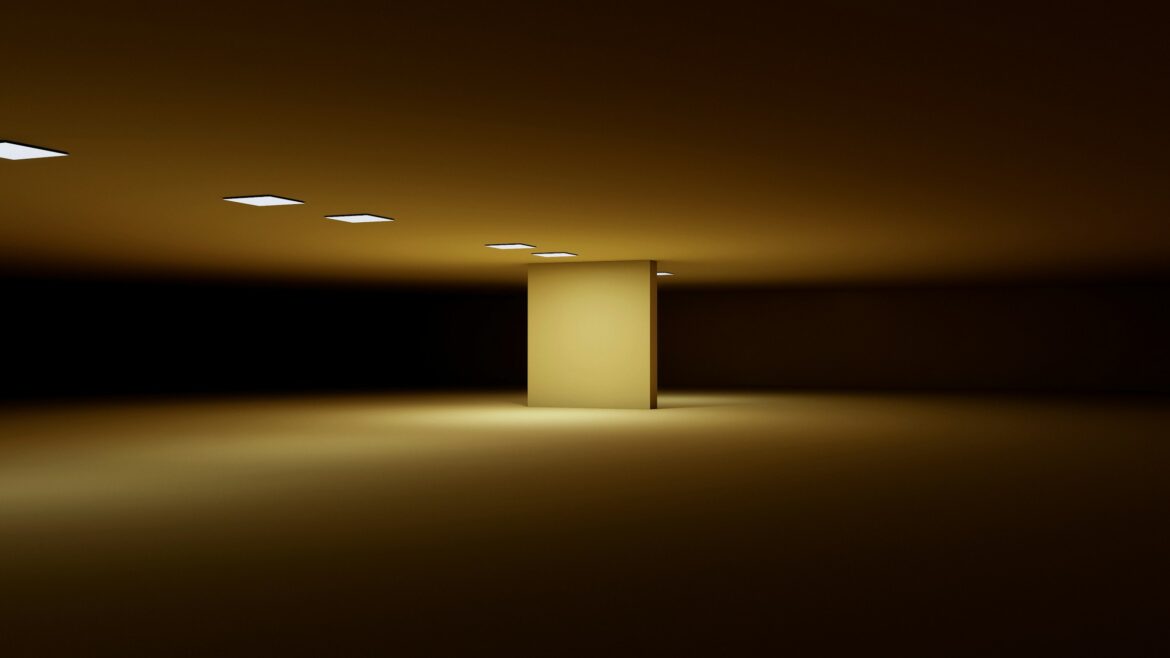
The Backrooms have become one of the internet’s most unsettling modern horror concepts — a seemingly endless maze of yellowed walls, buzzing fluorescent lights, and empty carpeted halls that stretch into something far beyond comprehension.Why the liminal space so disturbing isn’t just what you see, but what you hear within it. The faint hum of electricity, the distant echo of footsteps, and the overwhelming silence all blend into an atmosphere that feels both familiar and completely alien at the same time.
Over time, the Backrooms have evolved beyond a creepypasta into a full cultural phenomenon, inspiring games, short films, and countless pieces of ambient music designed to capture its unique sense of dread. These tracks often rely on minimalism, distortion, and looping textures to recreate the feeling of being stuck somewhere outside of reality. They don’t follow traditional structure — instead, they linger, repeat, and slowly dissolve into something more unsettling the longer you listen.
What makes Backrooms-inspired music so effective is its ability to trigger a strange kind of nostalgia, even when there’s nothing comforting about it. Many of these songs feel like fragments of forgotten elevator music, broken radio signals, or childhood background sounds that have been stretched and corrupted over time. This warped familiarity is what makes the experience so uncomfortable, as if you’re remembering a place you’ve never actually been.
As the Backrooms mythos expanded across the internet, certain tracks became iconic within the community, often used in edits, gameplay videos, and analog horror projects. These sounds have become closely tied to the imagery of infinite hallways and impossible architecture, reinforcing the idea that sound is just as important as visuals in building liminal horror. Each track adds another layer to the illusion, making the Backrooms feel even more real — and even more inescapable.
This list gathers some of the most eerie, disturbing, and iconic Backrooms songs that have come to define the atmosphere of this strange digital myth. Whether they’re unsettling ambient loops or distorted melodic fragments, each one captures a different shade of that same uneasy feeling: the sense that you’re alone in a place that should not exist, yet somehow does.
It’s Just a Burning Memory
No song defines the Backrooms aesthetic more than “It’s Just a Burning Memory” by The Caretaker (James Leyland Kirby). This track is the opener to the six-hour experimental project Everywhere at the End of Time, which musically depicts the stages of dementia.
It samples the 1931 Al Bowlly track “Heartaches,” but slows and degrades it until it sounds like a ghostly echo. It exploded on TikTok and YouTube as the unofficial anthem of the Backrooms because it perfectly captures the “liminal” feeling of remembering something that no longer exists, serving as the soundtrack for thousands of videos exploring Level 0.
Libet’s Delay
Another masterpiece by The Caretaker, “Libet’s Delay” originates from the 2011 album An Empty Bliss Beyond This World. The track samples “Goodnight, My Love” by Russ Morgan, repeating a short, catchy brass loop that feels stuck in a recursive cycle.
It gained massive traction in the Backrooms community as a “safe room” theme—music that plays in a rare moment of peace amidst the horror. Its popularity surged through “corecore” edits and “dreamcore” aesthetics, where users paired the loop with footage of empty 1990s playplaces and abandoned bowling alleys.
Fallen Down
Originally composed by Toby Fox for the 2015 indie gaming phenomenon Undertale, “Fallen Down” is a gentle, lullaby-like chiptune track. While it was intended to represent the motherly care of the character Toriel, the internet repurposed its slowed-down “reverb” versions for the Backrooms.
The juxtaposition of the song’s inherent “safety” with the eerie, infinite yellow wallpaper of the Backrooms created a unique sub-genre of “liminal comfort.” It exploded through YouTube “found footage” series, where the music signals a deceptive sense of security before an entity appears.
Hidden in the Sand
Originally a hidden track on the 2005 album Marvin’s Marvelous Mechanical Museum by the band Tally Hall, this song features a whimsical, “doo-wop” melody and muffled vocals. Its rise to Backrooms fame came via its association with “The Shady Grey” or “The End” levels, where things look normal but are fundamentally “wrong.”
The lo-fi, “old-timey” radio quality of the recording makes it feel like a transmission from a lost era, which TikTok users utilized to create “trapped in the 50s” Backrooms scenarios that garnered millions of views.
Comfort Chain
As discussed in viral music circles, Instupendo’s “Comfort Chain” is the pinnacle of “nostalgiacore.” Released in 2017, the track uses ethereal synths that mimic the feeling of a fading memory. In the context of the Backrooms, it is often used for safe locations locations offer a fleeting, surreal comfort.
It exploded through the “Aesthetic” YouTube community, where it was paired with high-definition renders of infinite swimming pools (The Poolrooms), becoming the definitive sound for the “subliminal” and “aquatic” side of the lore.
Six Forty Seven
Another entry from Instupendo, “Six Forty Seven” is a short, hazy track that feels like waking up from a nap in a car. Its connection to the Backrooms stems from the “Dreamcore”movement, which focuses on the surrealist, nonsensical elements of the mythos.
The track’s muffled, distant percussion sounds like it’s playing through a wall, perfectly mimicking the acoustic properties of a massive, empty office building. It went viral during the 2021 Backrooms “renaissance” on TikTok, often accompanying “POV: You fell through the floor” videos.
7 Weeks & 3 Days
Originally an indie-rock track by the artist Yungatita, this song’s viral success on TikTok led to various remixes and slowed-down versions used in Backrooms edits. The song’s raw emotional energy and lyrics about time and longing resonated with the “nostalgiacore” side of the fandom. It is frequently used for “Dreamcore” —areas of the lore that offer a brief, surreal respite from the infinite hallways—symbolising the bittersweet feeling of finding “home” in a place where you don’t belong.
The original version of “7 Weeks & 3 Days” by Yungatita is a raw, garage-rock indie track about the specific timeline of a breakup. Its initial explosion on TikTok was tied to emotional “POV” videos. However, the Backrooms community quickly adopted the Slowed + Reverb version to represent the “loneliness” of the infinite office. In this version, the lyrics about time passing become a metaphor for the years lost while wandering Level 0. It is the go-to song for “narrative” Backrooms videos where a survivor finds a lost item from their past life, highlighting the tragic human element of the mythos.
Because of the song’s melodic structure, various Lofi and Ambient “remakes” appeared, specifically tailored for “The Poolrooms” (Level 37). These versions strip away the drums and focus on a shimmering, watery guitar loop. They exploded in the “Relaxing Backrooms” community, where the goal isn’t horror, but a “Zen-like” isolation.
These versions are often used for 10-hour “study/sleep” loops paired with 3D renders of infinite tiles and clear water. They represent the “safe” side of the Backrooms, where the absence of monsters allows the survivor to simply exist in a peaceful, albeit eternal, silence.
School Rooftop
This track, created by the artist Hisohkah, is a hallmark of the “lo-fi” and “sadcore” genres. It samples a nostalgic, delicate piano melody that feels like it’s being played on an old, dusty upright in an empty room. In the world of the Backrooms, it became the signature theme for Level 188 (The Courtyard of Windows) and Level 4 (The Office).
It’s popularity exploded on TikTok because it perfectly captures the feeling of “anemoia”—nostalgia for a time or place you’ve never actually known. It is often used in videos where a character finds a window looking out into a fake, sunny sky, emphasizing the isolation of being trapped in a digital purgatory.
The Lobotomy
“The Lobotomy” by artist Maebi is a track that leans heavily into the “weirdcore” and “medicalcore” sub-aesthetics of the Backrooms. It features a high-pitched, repetitive electronic chime that sounds almost like a hospital monitor or a malfunctioning toy. It became a viral sensation in the “lore” community, often paired with Level 0 or levels that involve “entities” that mess with a human’s perception.
The song’s popularity comes from its ability to induce a sense of “brain fog,” making the viewer feel as though they are losing their sanity along with the protagonist of the video.
Mice on Venus
Another masterpiece by C418 from the Minecraft soundtrack, “Mice on Venus” is a piano-led track that shifts into a sweeping, orchestral-style ambient piece. Because so many people grew up playing Minecraft, the song triggers a deep, “innocent” nostalgia that feels corrupted when placed in the context of the Backrooms.
It is the go-to sound for “The Hub”—the central gateway between levels. It went viral because it captures the feeling of “home” in a place that is fundamentally alien, creating a powerful emotional response that keeps viewers hooked on long-form Backrooms “found footage” stories.
Numbers
Released in 2017 by indie-pop artist Temporex, “Numbers” is defined by its bright, “plastic” synth sounds and a rhythmic, ticking beat that feels like a countdown. In the Backrooms community, it is often associated with the “Industrial” levels (Level 2 or Level 3), where the repetitive clanging of machinery and flickering lights match the song’s mechanical precision.
It exploded on TikTok as a “weirdcore” staple; the upbeat, toy-like melody creates a chilling contrast when paired with visuals of infinite boiler rooms or narrow pipe-filled hallways, suggesting that the listener is just another “number” in a vast, uncaring system.
Hey Kids – Molina (feat. Late Verlane)
“Hey Kids” by the Danish artist Molina is a synth-pop track that feels like a transmission from a 1980s fever dream. The song’s heavy use of pitch-shifting and “melting” vocals makes it sound physically unstable, which led to its massive popularity in the “Level Fun” (the Partygoers’ level) lore.
It went viral during the “liminal space” boom of 2021, where the distorted lyrics—which sound like they are inviting children to play—take on a predatory tone. The song represents the “false childhood” aesthetic, where bright colors and balloons are used to lure victims into the sterile trap of the yellow walls.
Resonance
“Resonance” by the artist Home (Randy Goffe) is arguably the most famous synthwave track in history. Released in 2014, it became the anthem for “Vaporwave” and “Retro-futurism.” Because the Backrooms often resemble 1990s office buildings, “Resonance” became the definitive sound for “The End” (Level 11) or the feeling of being trapped in a “simulated reality.”
It exploded through YouTube “liminal space” compilations; its warm, nostalgic chords evoke a deep sense of “anemoia”—the feeling that you belong in the world of the Backrooms more than the real world, despite the danger.
Hide (Dark Fantasy)
The sound known as “Hide (Dark Fantasy)” is one of the most significant musical crossovers in internet history, bridging the gap between vintage synthesizer enthusiast culture and modern AI-generated aesthetics. It’s true origin is a masterclass in analog synthesis, originating from the Austrian producer Dorian Concept.
The audio first appeared as a casual demonstration video on Dorian Concept’s social media, where he was “fooling around” with a Yamaha CS01—a small, battery-powered synthesizer from the early 1980s. The melody is characterized by its high-pitched, warbling, and slightly unstable pitch, which gives it an “otherworldly” or “haunted” quality. This specific “analog drift” is what caught the internet’s ear, as it sounds like a transmission from a lost era that isn’t quite human.
The sound exploded globally when it became the definitive anthem for the “Dark Fantasy” meme trend. This trend involved slideshows of AI-generated imagery—often styled after 1980s dark fantasy films like The NeverEnding Story, Legend, or The Dark Crystal. The grainy, low-fidelity visuals of knights, monsters, and misty castles paired perfectly with the CS01’s ethereal, lonely melody, creating a feeling of “mythic dread.”
Within the Backrooms community, the song found a second home. It is frequently used to score “boss encounters” or high-tier levels that shift away from corporate offices and into “Dark Fantasy” territory—areas of the lore where the architecture becomes gothic, cavernous, or medieval. Because the synth sounds so fragile yet ancient, it perfectly represents the idea of stumbling upon something ancient and powerful hidden within the modern, yellow-walled glitch of the Backrooms.
The viral success of the snippet was so massive that fans spent months begging for a full version. Many creators even attempted to recreate it using modern software, but they couldn’t capture the specific “soul” of the vintage hardware.
Recognizing the cultural impact, Dorian Concept eventually released a polished, full-length version of “Hide” in 2024, officially cementing the track’s transition from a 15-second gear demo to a cinematic masterpiece of digital folklore.
Today, the sound serves as a cultural bridge. It represents a shift in how the internet consumes horror and fantasy; it’s no longer just about “jump scares,” but about “vibe” and “atmosphere.” Whether it’s used to showcase an AI-generated dragon or a survivor lost in a stone-walled level of the Backrooms, “Hide” remains the ultimate sonic representation of the “uncanny” and the “sublime.
Warm Nights
“Warm Nights” was originally released by lofi producer Xori on SoundCloud in July 2017. The track is a quintessential example of the lofi hip-hop genre that exploded in the late 2010s, featuring a dusty, downtempo beat, a repetitive melodic loop, and a sense of quiet melancholy. It was never intended to be “scary”; rather, it was designed as background music for studying or relaxing.
The song’s transition to the Backrooms began with the rise of Dreamcore and Weirdcore aesthetics on TikTok. Creators found that the song’s slightly warped, nostalgic melody perfectly matched the “false comfort” of Level 0—the initial yellow room. The music feels like a memory you can’t quite place, which mirrors the lore of the Backrooms as a place made of forgotten or discarded human environments.
As the Backrooms fandom grew, “Warm Nights” became a staple for cinematic exploration videos. Its “warmth” creates a chilling contrast with the isolation of the setting, making the viewer feel like they are in a dream that is slowly turning into a nightmare. It is now widely considered one of the definitive “exploration themes” for the lore’s quieter, more atmospheric levels.
The popularity of the track was further solidified by “Slowed + Reverb” edits. By slowing down the tempo, creators enhanced the song’s “liminal” feel, making it sound as though it were echoing through distant, empty vents. This specific auditory style has become the standard for Backrooms content, cementing the song’s legacy as the sound of drifting through endless corridors.
Today, “Warm Nights” is inseparable from the aesthetic. It is frequently used in Backrooms guides and level explanations, serving as a signal to the audience that they are entering a space where time and reality are no longer certain. Its success highlights how the internet can take a relaxing “chill” beat and turn it into the anthem of a horror subculture.
I’d Rather Sleep
“I’d Rather Sleep” was released in September 2013 as part of the debut mixtape Intro Bonito by the British indie-pop band Kero Kero Bonito. The song is a short, synth-heavy track featuring soft, whispery vocals. Lyrically, it touches on themes of childhood regression and escapism through sleep, with a catchy yet slightly off-kilter melody that gives it a surreal, nursery-rhyme quality.
The song exploded into the Backrooms community via TikTok in 2020. Its lyrics—”I’d rather sleep than stay awake / Trees are green, but they’re not real”—perfectly aligned with the “Dreamcore” aspect of the Backrooms, where the environment is a simulated, artificial reality. The song’s upbeat tempo was often slowed down to create a “muffled” effect, simulating the sound of music playing through a wall in a vacant building.
The popularity of the song was driven by its use in “Traumacore” and “Liminal Space” compilations. The contrast between the “cute” melody and the terrifying concept of being trapped in a void created a sense of cognitive dissonance. This made the Backrooms feel more like a psychological prison than a physical one, tapping into the fear of being “lost” in one’s own mind or memories.
Kero Kero Bonito’s track became a viral trend specifically for “Found Footage” style videos. Creators used the song to underscore the moment an explorer “no-clips” out of reality, with the music fading into the background as they land in the yellow rooms. It effectively bridges the gap between the “real world” (represented by the song’s pop roots) and the “liminal world.”
Ultimately, “I’d Rather Sleep” is used to emphasize the surrealism of the Backrooms. It is no longer just a pop song; it is a signal for a reality that is “wrong.” The track’s enduring popularity in the community has led it to be featured in hundreds of fan-made playlists and is often the first song newcomers associate with the “Weirdcore” side of the lore.
You Not The Same
Unlike the other tracks which have pop or lofi origins, “You Not The Same” by TileKid (released in 2021) feels as though it was built specifically for the genre. It is a dark, atmospheric track characterized by a heavy, pulsating bassline and a distorted, metallic melody. The song does not have a traditional “catchy” hook, instead focusing on a feeling of impending dread and mechanical repetition.
The song’s popularity is directly tied to the “Found Footage” boom led by creators like Kane Pixels. It became the go-to track for videos featuring high-intensity chases or the appearance of entities like “The Bacteria.” The industrial, buzzing sounds in the music mimic the constant hum of fluorescent lights that is central to Backrooms lore, creating an immersive, sensory-heavy experience for the viewer.
While other songs evoke nostalgia, “You Not The Same” evokes panic. It is used to signal that the explorer is no longer alone and that the environment has become hostile. The track’s heavy distortion and “glitchy” nature mirror the digital corruption often seen in VHS-style analog horror videos, making it a perfect stylistic match for the medium.
The track gained massive traction on TikTok and YouTube as a “theme” for the Backrooms’ more dangerous levels. Because it lacks lyrics and a traditional structure, it allows the sound effects of the video—breathing, footsteps, and creature screeches—to stand out. This synergy between music and sound design is what helped the “Found Footage” sub-genre reach millions of views.
Today, TileKid’s work is considered the “action” soundtrack of the Backrooms. It represents the shift in the fandom from purely “empty room” aesthetics to “entity-based” horror. For many fans, the opening notes of “You Not The Same” are an immediate trigger for the feeling of being hunted in a place where there is nowhere to hide.
Homage
“Homage” was released in June 2016 by the psychedelic pop band Mild High Club as the lead single for their album Skiptracing. The song is a swirling psychedelic ride that uses jazz-influenced chords and a distinctive, warbling synth sound. It’s lyrics deal with the idea of originality and “borrowing” in art—literally paying “homage” to the music that came before it.
The track’s connection to the Backrooms stems from its “vertigo-inducing” sound. The warbling synths create a sensation of physical instability, as if the ground beneath the listener is shifting. This became a perfect metaphor for “no-clipping”—the glitch that causes a person to fall through the floor of reality and into the Backrooms. The song feels like the auditory equivalent of a “glitch in the matrix.”
“Homage” became a centerpiece of the Dreamcore movement on TikTok, where it was frequently paired with images of liminal spaces like empty shopping malls or indoor playgrounds. It captures a specific type of “false nostalgia”—a longing for a place that never actually existed. This aligns with the Backrooms’ aesthetic of 1990s office spaces and childhood play areas that feel “uncanny.”
The song’s popularity peaked as it was used in thousands of “POV” videos. These videos often depict the viewer exploring a familiar-looking but empty house, with “Homage” playing to indicate that something is subtly wrong. The song’s “trippy” nature suggests a breakdown of reality, making it the ideal theme for Level 188 (the Courtyard) or other levels that look like distorted memories.
Even years after its release, “Homage” remains a top-tier “Backrooms song.” It represents the sophisticated, artistic side of the fandom that focuses on mood and atmosphere over jump scares. It has become such a staple that many fans have campaigned for it to be used in the official Backrooms film currently in production by A24 and Kane Pixels.
Aquatic Ambience
The original “Aquatic Ambience” was composed by David Wise for the 1994 SNES game Donkey Kong Country. It was hailed at the time for its technical achievement, using the limited hardware of the Super Nintendo to create a lush, atmospheric “underwater” sound. For decades, it remained a beloved piece of video game music, known for its relaxing and nostalgic properties.
The song’s rebirth as a Backrooms anthem came through a 2022 remix by Scizzie. This version added a heavy “reverb” and a modern lofi beat, which transformed the underwater theme into something more ethereal and ghostly. It quickly became the unofficial theme for Level 37, better known as The Poolrooms—a level consisting entirely of interconnected, indoor swimming pools filled with warm, clear water.
“The Poolrooms” is one of the most popular levels in Backrooms lore because it evokes “thalassophobia” (fear of deep water) and “liminality” simultaneously. The Scizzie remix of “Aquatic Ambience” perfectly captured the feeling of being submerged in a silent, tiled world. The muffled, echoing nature of the remix mimics the way sound behaves in a large indoor pool, making it incredibly immersive.
The track went viral on TikTok and YouTube, often used in videos that showcased 3D renders of the Poolrooms. It tapped into a specific type of childhood memory: being at a community pool after hours when it is quiet and empty.
This “memory of a memory” is the core of the Backrooms’ appeal, and “Aquatic Ambience” is the ultimate trigger for it. By repurposing a classic 16-bit video game track, the community created a bridge between retro gaming nostalgia and modern internet horror. “Aquatic Ambience” is now firmly established as the sound of the “safe” but unsettling corners of the Backrooms. It proves that the most effective horror music isn’t always something scary—sometimes, it’s something comforting that has been left in a place where it doesn’t belong.
We use cookies to ensure that we give you the best experience on our website. If you continue to use this site we will assume that you are happy with it.Yep, I'm happyPrivacy policy