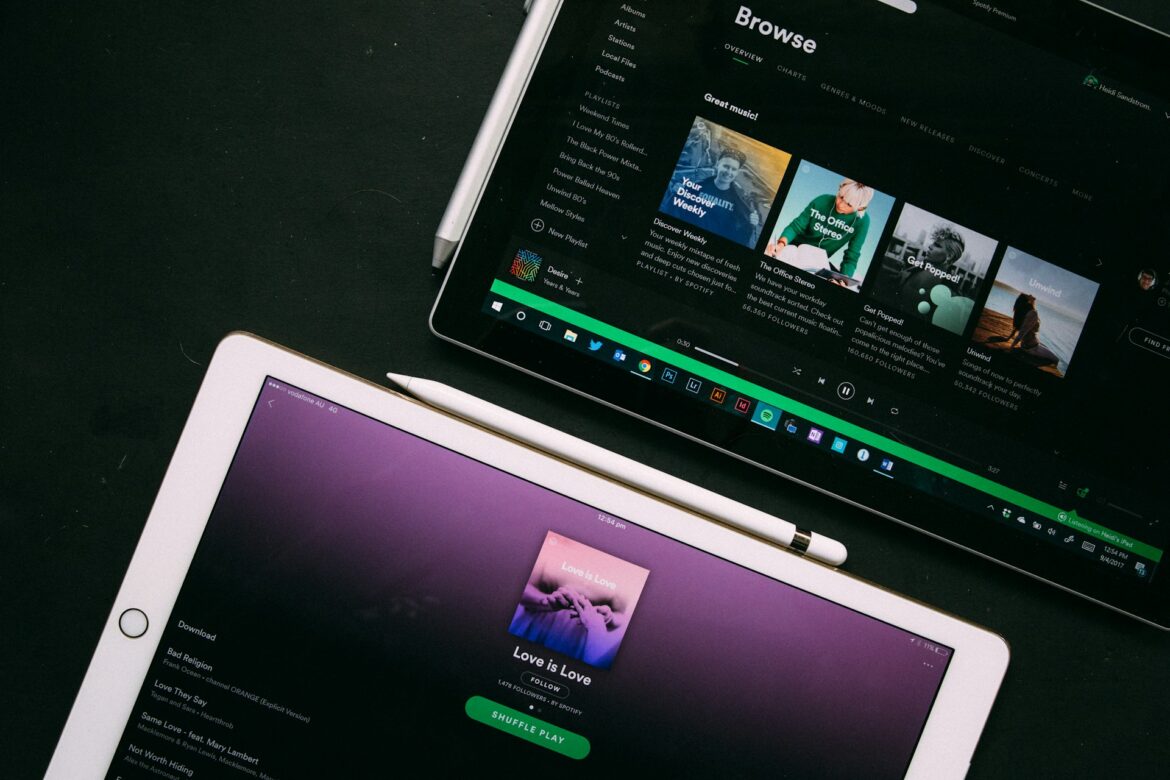
Entertainment has historically been about selecting. A sports broadcaster selects which match to discuss; a film critic picks a film that is worthy enough to be reviewed; a record label picks which album to release. Basically, more decisions concerning entertainment at every level have been about making choices on behalf of the audience.
Now, in recent times, what determines entertainment content across platforms is not a person anymore, but a system. This system signifies a shift in the entire entertainment discourse and it is the technical curator for all streaming, gaming, sports and all digital leisure platforms.
The Machine Behind the Experience
The machine behind this experience is called technical curation. Technical curation is the process by which apps and sites use machine learning, data from user behavior and algorithms to personalize content for a particular user. This content is what the user would most likely want to see. This is an invisible operation that is updated in real time, taking care of millions of interactions with the site from clicks to pauses to replays. It learns everything and determines the user behavior.
Technical curation results in a personalized tailored experience for each user. Examples of such results include a playlist that resonates well with your current feelings, a sports highlight from a content creator you watched five times last week, or a gaming platform that brings up favorites on the homepage so you do not need to search through thousands of games.
All this is made possible as a result of technical architecture that is designed to help the audience get their desired content in a seamless manner.
Where Is Technical Curation Showing Up?
Technical curation has a wide reach across modern entertainment platforms. It is the most important shift that determines how content is discovered, consumed and gathered. Technical curation is showing up in:
- Streaming and on demand video: Streaming platforms use recommendation engines to analyze a user’s genre preference, replay history and which time of the day the user is most active. This helps to bring to the forefront content that each user will most likely engage in.
- Music platforms: They now use personalized radio, playlists generated through algorithms and discovery tools to introduce new artists or new song releases to users based on their listening history.
- Sports broadcasting: For broadcast, there are live content feeds that are tailored to the users viewing history, making large amounts of fixture data navigable.
- Online entertainment platforms: These platforms offer curated catalogues that match users and players with their preferred games, features and formats based on the gathered behavioral data that the system has about them. Platforms like Ask Gamblers UK help clarify this concept. It is used by gamers to understand the complex digital entertainment market as it provides well structured reviews of these platforms.
- Gaming: For gaming, technical curation is used in recommending games, in game content delivery and matchmaking online, all to improve the user experience and keep players engaged.
Why It Matters Beyond Convenience
The importance of technical curation goes beyond making life more convenient for users. This same concept also changes the creative and financial side of the entertainment industry.
For entertainment platforms, curation determines how many audiences stay and how many leave. In a market where attention is money, a recommendation engine can help retain a user for a longer time than when they have to scroll through everything themselves.
For creators, curation has allowed better discovery ways so that gatekeeping is minimized. All creators, including independent artists and specialized content producers, now have access to audiences who are intentional about their work, so they can focus more on them and not waste time with general broadcasts.
The Limits of the Algorithm
Technical curation is not perfect, and there are complications. For one, if the system continues to serve existing preferences, then it would get to a time when these preferences will be rigidly reinforced on the user. This creates a situation whereby the audience receives more of what they already know, with no new knowledge, no challenge and no more surprises to quicken their interest.
Therefore, the best platforms are now designing systems to support technical curation. There are discovery features, random content suggestions and curated editorial picks introduced alongside algorithmic recommendations. This creates a balance that satisfies the existing taste of the audience and also expands their horizon.
Deloitte’s Digital Media Trends research found out that there is quite a large number of audiences that abandon streaming platforms because they could not resonate with the content they see on their feed. This is not a problem of content but that of curation. The answer is not to add more catalogue depth but to build systems that understand what individual users need at any point in time.
The Direction of Travel
Technical curation is not perfect yet, but it is growing. The systems we use today are sophisticated compared to some years back, but the next tools in development will incorporate emotional signals, behavior modeling and real time contextual awareness to make the current system look primitive.
For the entertainment industry, curation has helped significantly, but in the coming years it will become a core product decision tool. The platforms that are incorporating it into their systems are already seeing the advantages in the number of subscribers, visitors and overall engagement, and will continue to do so.