There was a time, not so long ago, when a Friday night out in any major UK city followed a very specific, almost iron-clad script. You’d rush home from work, get changed in a whirlwind of hairspray and ironing, and head straight to a crowded pub before moving on to a club where you’d spend most of your time shouting over music just to ask where the toilets were. But things have changed. If you’ve noticed your own weekends looking a bit different lately, you aren’t alone. We are currently witnessing what experts are calling the “Hybrid Shift,” a fascinating blend of physical luxury and digital convenience that is fundamentally rewriting how we spend our leisure time.
By the middle of 2026, the idea of “going out” has been turned on its head. It isn’t necessarily about choosing between a quiet night on the sofa or a big night on the town anymore. Instead, we’re seeing a middle ground emerge. This new hybrid economy is built on the back of our desire for high-quality experiences that don’t require the faff of a two-hour commute or the unpredictability of a rain-soaked queue. It’s about bringing the glamour and excitement of the outside world into the comfort and control of our own homes.
The Hybrid Shift: Why UK Nightlife is Moving Indoors
It’s easy to look at the changing high street and assume that people are simply becoming more introverted, but that doesn’t really tell the whole story. I find that we’re actually becoming more selective. The 2025 trend of “Hybrid Experiences” has shown us that socialising is no longer tied to a specific location. Many of us are now opting for what some call “The Great Indoors,” where the focus is on curated, high-end socialising that blends the physical and the digital.
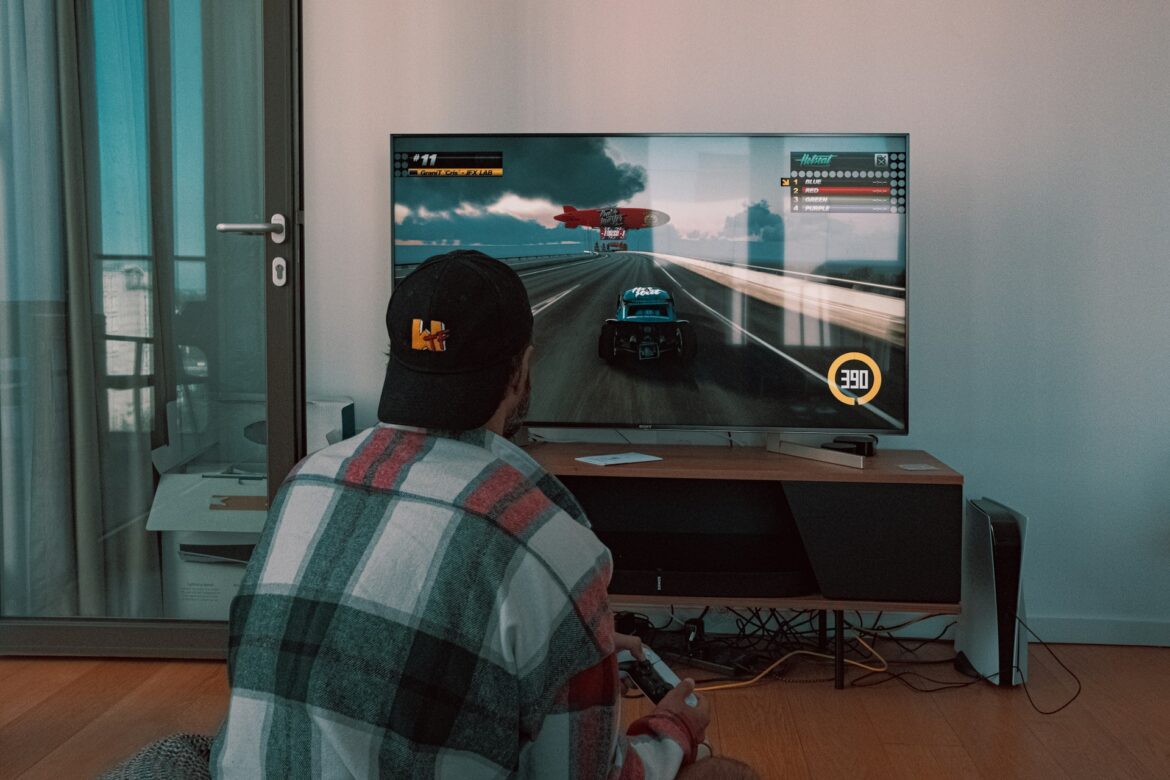
Think about how we host people now. It’s less about a bag of crisps and a cheap bottle of wine and more about creating an atmosphere. Whether it’s a synchronised movie night with friends across the country or a high-stakes (but low-cost) digital game night, the barriers between our living rooms and the entertainment hubs of the city have blurred. This shift is driven by a desire for autonomy. When we’re at home, we control the music, the temperature, and the guest list, but thanks to high-speed connectivity and sophisticated platforms, we still feel connected to the wider world.
The nightlife economy has had to adapt rapidly. We’ve seen traditional venues launching their own digital wings, offering everything from live-streamed DJ sets to interactive mixology classes. It’s a recognition that the modern Brit wants the premium feel of a night out without the logistical nightmares that often come with it. We’re seeing a rise in “phygital” socialising, where a group might be physically present in a room together but are all interacting with a shared digital platform, creating a layered experience that feels much more modern and engaging than just sitting around a table.
The Tinnie Remix and DIY Mixology: Elevating the Budget Night In
If you’ve spent any time on social media recently, you’ve probably seen the rise of the “Tinnie Remix.” This isn’t just about cracking open a can of lukewarm lager; it’s a movement led by Gen Z and young professionals who are refusing to compromise on quality just because they’re staying in. We’re talking about taking a standard supermarket drink and elevating it with artisanal garnishes, hand-carved ice, and premium mixers.
This DIY mixology trend is a perfect example of how we’re recreating the premium bar experience on our own terms. I’ve noticed that many of my friends have become more knowledgeable about botanicals and flavour profiles than some bartenders I’ve met. There’s a real pride in being able to whip up a perfect Espresso Martini or a complex non-alcoholic botanical spritz at home. It’s a value-based lifestyle choice that prioritises the craft over the location.
This shift isn’t just about saving a few quid, though that’s certainly a perk. It’s about the ritual. There is something incredibly satisfying about the process of making a drink, choosing the right glassware, and presenting it beautifully. It turns a simple drink into an event. This elevation of the “night in” means that the home has become a space for creativity and self-expression. We aren’t just consuming entertainment; we’re producing it. The “Tinnie Remix” is a symbol of a generation that values curated experiences and isn’t afraid to get their hands dirty to make it happen.
Snackable Entertainment: The Rise of the Daily Micro-Win
While we’re enjoying our home-made cocktails, our digital habits have also taken a turn toward the “snackable.” We’ve moved away from the era of mindless, passive scrolling. Most of us have realised that spending three hours staring at a feed of people we don’t know isn’t actually that relaxing. Instead, there’s a growing trend toward active participation through “Micro-Wins.”
This is all about the psychology of the daily ritual. We look for small, manageable bursts of entertainment that provide a sense of achievement or a quick moment of fun without requiring a huge time commitment. It’s the digital equivalent of a palate cleanser. Many professionals are now incorporating these moments into their daily routines as a way to decompress.
Inclusive platforms have picked up on this, offering accessible games and rewards that fit into these small windows of time. For many, this includes a quick check-in to see if they can snag some free spins or participate in a daily trivia challenge. It’s a low-friction leisure activity that feels much more rewarding than just scrolling through news headlines. These “Micro-Wins” provide a little spark of positivity in the day, a small interaction that is easy to access and simple to understand. It’s about that transition from being a passive observer to an active participant, even if it’s just for five minutes while the kettle boils.
This type of entertainment is particularly appealing because it doesn’t demand your full attention for hours on end. You can engage with it on the bus, during a lunch break, or while waiting for your “Tinnie Remix” ingredients to chill. It’s inclusive, value-driven, and fits perfectly into the busy lives of modern professionals who want their downtime to feel productive and fun, rather than just empty.
Gaming for Non-Gamers: The Future of Inclusive Leisure
The word “gaming” used to conjure up images of teenagers in dark rooms with expensive headsets and complex controllers. But that image is incredibly outdated. We are entering an era of gaming for non-gamers, where tech-integrated platforms are designed for everyone. This is a huge part of the UK’s new leisure economy.
The complexity of traditional gaming was often a barrier for people who just wanted a bit of light-hearted fun. Now, we’re seeing a surge in platforms that remove those hurdles. The focus has shifted to instant, rewarding interaction. These are games that you don’t need a manual to play; they’re intuitive, colourful, and, most importantly, social.
By integrating gaming into our broader lifestyle choices, these platforms have made leisure more inclusive. It’s no longer a niche hobby; it’s a mainstream way to relax. Whether it’s a quick puzzle, a social bingo game, or a digital scratchcard, these interactions are designed to be easy to jump into and easy to leave. This accessibility is key to why digital rituals are becoming such a staple of our nights in. They provide a structured way to play that feels sophisticated and modern, rather than overwhelming.
We’re also seeing how these digital elements are being woven into physical gatherings. It’s not uncommon now to see a group of friends sitting around a coffee table, each with their phone out, participating in a shared digital experience that complements their physical conversation. It’s a far cry from the old idea of gaming being an isolating activity. Today, it’s a bridge that connects us, offering a shared language of fun and rewards that everyone can speak.
A New Way to Spend Our Time
The UK’s nightlife economy isn’t shrinking; it’s simply evolving. The shift toward hybrid experiences is a reflection of our changing priorities. We value our time, our comfort, and our ability to choose how we interact with the world. Whether it’s through the art of a perfectly mixed drink at home or the simple joy of a daily digital ritual, we are finding new ways to bring a sense of occasion to our everyday lives.
As we look toward the rest of 2026 and beyond, it’s clear that the lines between the physical and digital worlds will only continue to thin. This doesn’t mean we’ll never go to a club or a pub again, but it does mean those venues will have to offer something truly special to compete with the curated, comfortable, and rewarding experiences we can now create for ourselves at home. We’re in the driver’s seat of our own leisure time, and frankly, it feels pretty good.
***
Please gamble responsibly. For more information and support, visit BeGambleAware.org or call the National Gambling Helpline on 0808 8020 133. 18+ only.