
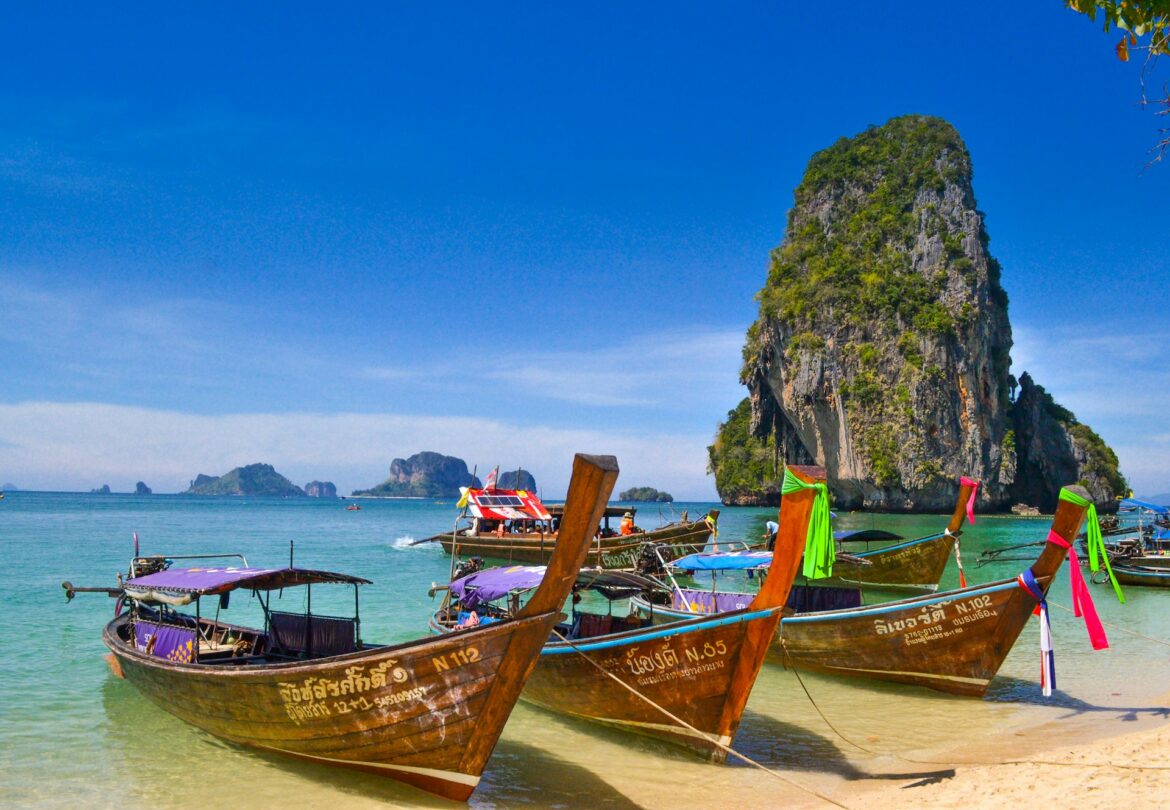
When winter darkness blankets Stockholm for 18 hours daily and temperatures plummet below freezing, thousands of Swedes flee to Thailand’s tropical embrace. This seasonal migration has become almost ritualistic for many Scandinavians seeking sunshine between November and March.
Yet despite Sweden’s reputation for meticulous planning and organization, first-time visitors frequently encounter unexpected challenges that no guidebook adequately prepares them for. Having lived in Thailand for seven years while working in tourism, I’ve witnessed these distinctly Swedish planning mistakes repeatedly.
These observations aren’t meant as criticism but rather as practical insights for those making the 8,700-kilometer journey from Northern Europe to Southeast Asia.
Overscheduling the Itinerary
Swedish efficiency doesn’t translate well to Thai travel realities. Last January, I watched a family from Malmö attempt to follow their color-coded spreadsheet itinerary covering six destinations in 12 days. By day four, they’d abandoned the schedule entirely.
Thailand’s geographic diversity tempts visitors to experience everything – northern mountains, Bangkok’s chaos, and southern beaches – in a single trip. This impulse, while understandable, ignores the practical challenges of domestic travel
Bangkok traffic alone can derail the most carefully planned schedule, with what should be 30-minute journeys sometimes taking two hours. Add in flight delays, the physical adjustment to 35°C heat, and the simple reality that everything moves slower in tropical climates.
Most successful trips focus on maximum two regions during a two-week stay. The Swedish organizational instinct that works brilliantly at home becomes a liability in Thailand, where flexibility trumps precision every time.
Misunderstanding Transportation Logistics
The archipelago nation of Sweden has excellent ferry infrastructure, perhaps explaining why Swedish travelers often underestimate the complexity of island transportation in Thailand. Many arrive with plans to visit multiple islands without researching ferry schedules in Thailand, which follow patterns entirely different from Scandinavian systems.
During peak season (December-February), when most Swedes travel, ferries between popular islands may be fully booked days in advance. During monsoon season, services frequently cancel due to weather conditions with little notice.
Unlike Sweden’s predictable transportation, Thai ferry operations depend on weather, passenger volumes, and sometimes seemingly arbitrary decisions by local operators.
Last February, I encountered three separate Swedish groups stranded on Koh Lanta when storms canceled all departures for two days – none had built buffer days into their itineraries. Additionally, many Swedes rely exclusively on international booking sites, missing local transportation options that often provide better value and more convenient schedules.
Packing Inappropriately
Swedish practicality sometimes works against travelers when packing for Thailand. Winter departures mean lots of Swedes board planes wearing heavy clothing suitable for Stockholm but completely impractical for Bangkok’s humidity.
Beyond the obvious climate mismatch, many of them bring unnecessarily formal attire, not realizing that even upscale Thai restaurants maintain relatively casual dress codes. Conversely, the minimalist Swedish packing approach often overlooks items needed for cultural sensitivity
Temple visits require covered shoulders and knees for both men and women, yet many Swedes pack exclusively shorts and sleeveless tops for the tropical climate. This necessitates purchasing overpriced cover-ups sold near major temples or foregoing cultural sites altogether.
The most successful Swedish travelers pack lightweight, breathable clothing in light colors, including at least one outfit suitable for temple visits, and shoes that slip off easily (required when entering homes and religious buildings).
Budget Miscalculations
Sweden’s high cost of living creates a deceptive impression that Thailand will be universally inexpensive. While street food and local transportation remain affordable, Swedish travellers often experience sticker shock at international restaurant prices, alcohol costs (heavily taxed in Thailand), and entrance fees to major attractions, which frequently charge foreigners significantly more than locals.
Working at a tour company in Phuket, I regularly saw Swedish families drastically underestimating daily expenses, particularly for activities. A cooking class, scuba diving excursion, or elephant sanctuary visit – experiences that often become trip highlights – can each cost €50-100 per person, comparable to European prices.
The Swedish tendency toward careful financial planning sometimes prevents travelers from building sufficient flexibility into their budgets for these spontaneous experiences.
Additionally, many research prices using outdated sources or blogs written by long-term travelers who access local pricing unavailable to short-term visitors.
Underestimating Climate Adjustment
The physical impact of moving from Scandinavian winter to tropical heat often surprises Swedish travelers.
Many plan active sightseeing immediately upon arrival, not allowing sufficient time for their bodies to adjust to dramatic temperature differences, humidity, and time zone changes. This physical stress compounds with jetlag, sometimes resulting in minor illness that disrupts carefully planned itineraries.
Medical professionals recommend at least two days of lighter activities when making such extreme climate transitions. Dehydration presents a particular risk, as Swedes accustomed to cooler weather may not recognize their increased water requirements.
The combination of air-conditioned hotels and scorching outdoor temperatures creates additional physical stress that many underestimate.
Wrapping up
The contrast between Swedish and Thai approaches to time, communication, and organization creates both the challenge and the charm of this cross-cultural journey. By recognizing these hidden planning pitfalls, Swedish travelers can approach their Thai adventures with greater flexibility and cultural awareness.
The best trips often are the ones made by those willing to let go of some of their Swedishness, be it control or planification – and instead adapt to the different Thai pace: Finding excitement in unforeseen paths taken, meeting new people, and then letting these factors contribute to what makes Thailand so much more than a destination


