







Since its debut in 1994, Tekken has stood as one of the most influential fighting game franchises of all time, helping define the 3D fighting genre and shaping how combat games are played today. Developed by Bandai Namco, the series distinguished itself early on through its emphasis on movement, limb-based combat, and mechanically deep fighting systems that rewarded precision, timing, and mastery. At a time when arcade fighters were dominated by 2D planes, Tekken pushed the genre forward by introducing fully three-dimensional arenas and a control scheme that mapped each button to a specific limb, creating a level of depth that set it apart from its competitors.
Over the decades, Tekken has evolved far beyond its arcade origins, growing into a sprawling saga defined as much by its characters as its mechanics. What began as a relatively straightforward martial arts tournament slowly transformed into a generational epic centred around the Mishima bloodline, corporate warfare, and supernatural power struggles. Each new entry expanded the lore while refining the gameplay, ensuring that long-time fans and new players alike could find something to connect with. This blend of technical depth and dramatic storytelling is a major reason Tekken has remained relevant across multiple console generations.
Perhaps most importantly, Tekken has built one of the most passionate and enduring communities in gaming. From casual players button-mashing with friends to professional competitors mastering frame data and execution-heavy techniques, the series accommodates every type of fighter. It’s characters have become cultural icons in their own right, with fan favourites enduring not because they are the strongest on paper, but because of their stories, personalities, and how they feel to play. That lasting connection between player and character is what continues to define Tekken nearly three decades after its debut.
For this list, we focused on Tekken fighters who resonate most with fans, whether through their stories, personalities, or unique techniques, while recognising that every character in the roster has earned legendary status. This isn’t about ranking the strongest tournament picks, but celebrating the fighters players connect with in different ways.
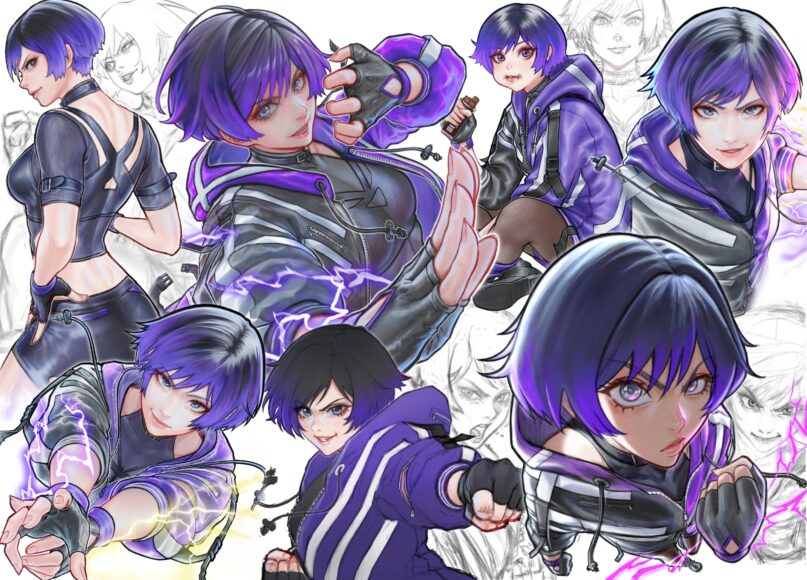
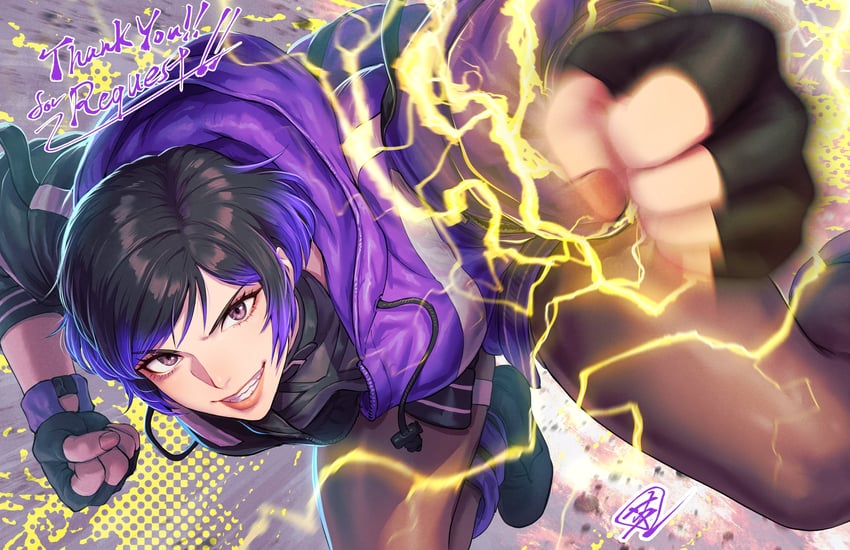
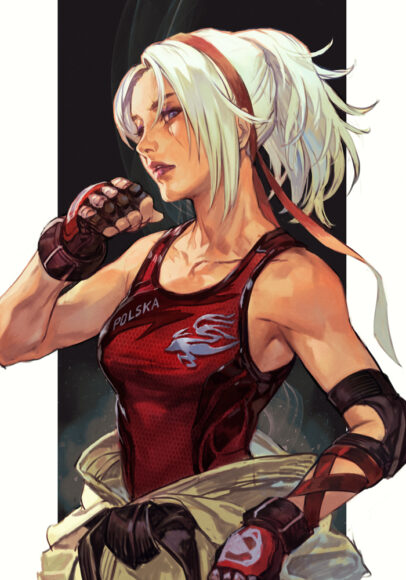
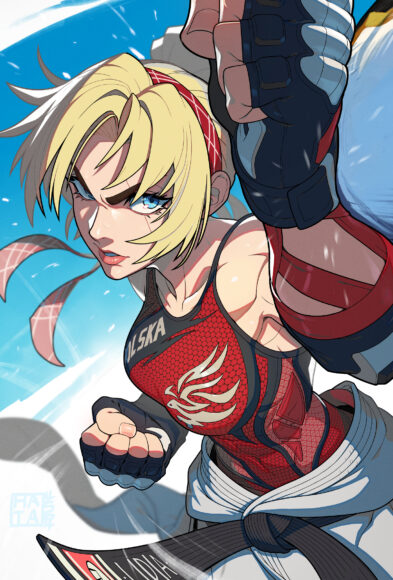
Asuka Kazama
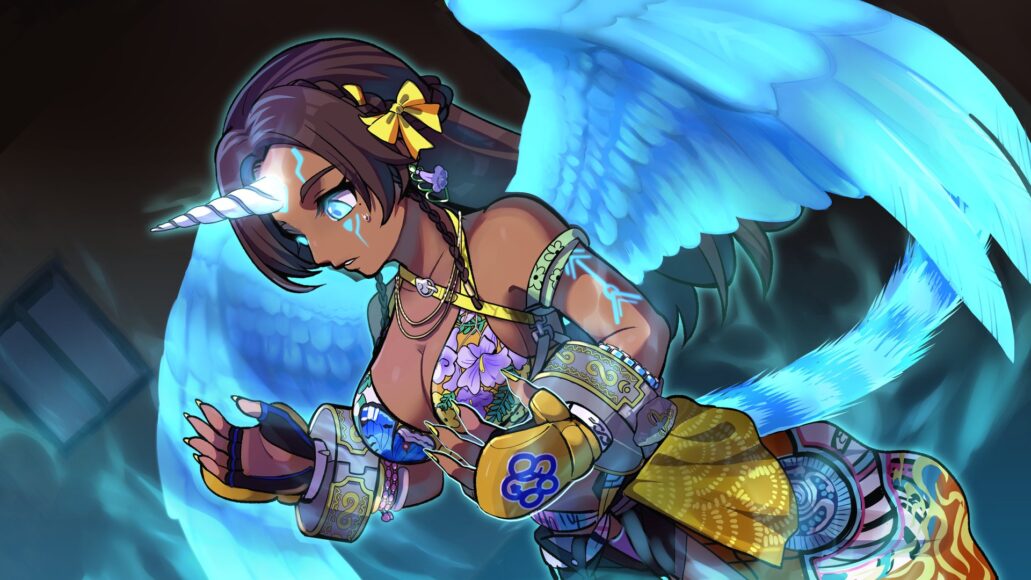
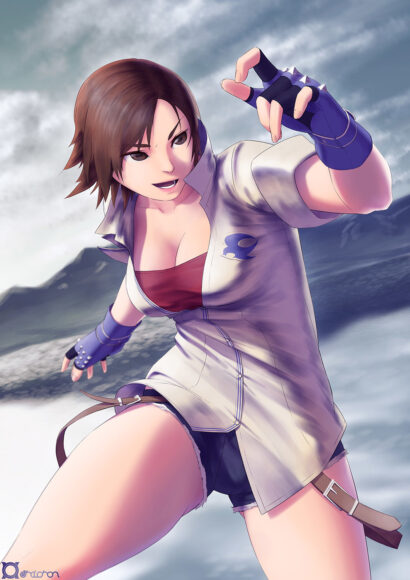
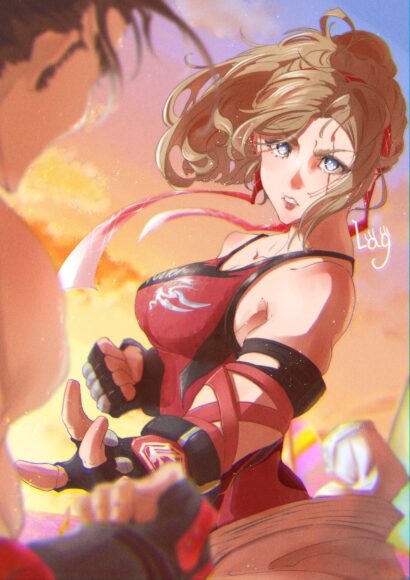
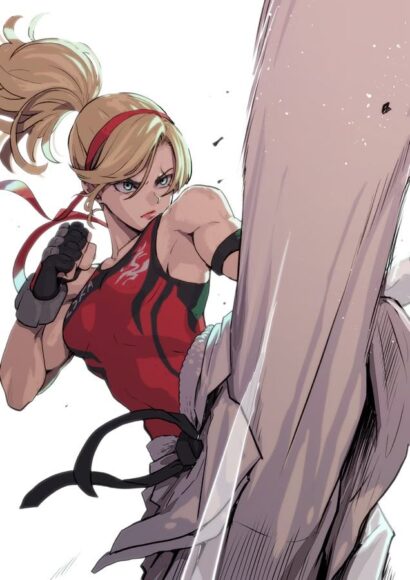
Asuka Kazama was introduced in Tekken 5 as a deliberate tonal shift for the franchise, offering a protagonist-adjacent figure who rejected the Mishima family’s obsession with domination and cruelty. Unlike most fighters in the King of Iron Fist Tournament, Asuka does not seek fame, power, or revenge, instead acting out of a deeply ingrained sense of justice that borders on instinct. Her blunt personality and refusal to be intimidated by threats or legacy immediately set her apart in a universe dominated by tyrants, assassins, and supernatural entities.
Asuka belongs to the Kazama bloodline, a family known for spiritual sensitivity and the ability to suppress the Devil Gene. This lineage places her in direct thematic opposition to the Mishimas, whose strength comes from brutality and genetic corruption. Although she is not as spiritually attuned as Jun Kazama, Asuka’s ability to sense malevolent forces establishes her as an important counterbalance to the Devil Gene’s influence, particularly where Jin Kazama is concerned.
Raised in Osaka, Asuka was trained by her father in traditional Kazama-style martial arts, a defensive discipline rooted in balance, redirection, and restraint. Unlike Mishima-style Karate, which emphasizes overwhelming force and dominance, Kazama-style techniques focus on neutralising threats without unnecessary harm. This philosophy shapes Asuka’s worldview, reinforcing her belief that strength exists to protect rather than conquer.
In gameplay, Asuka is a defensive specialist designed to punish recklessness and impatience. Her parries, reversals, and sabaki attacks allow skilled players to shut down aggressive opponents, forcing them to rethink their approach. While she lacks explosive speed, her ability to control tempo makes her deceptively dangerous, particularly in high-level play where mind games and discipline matter more than raw damage.
Narratively, Asuka often finds herself unwillingly drawn into larger conflicts tied to the Mishima family and global warfare. Despite wanting a normal life, her sense of responsibility prevents her from turning away when others are threatened. This reluctance adds depth to her character, positioning her as a reluctant hero rather than a chosen saviour.
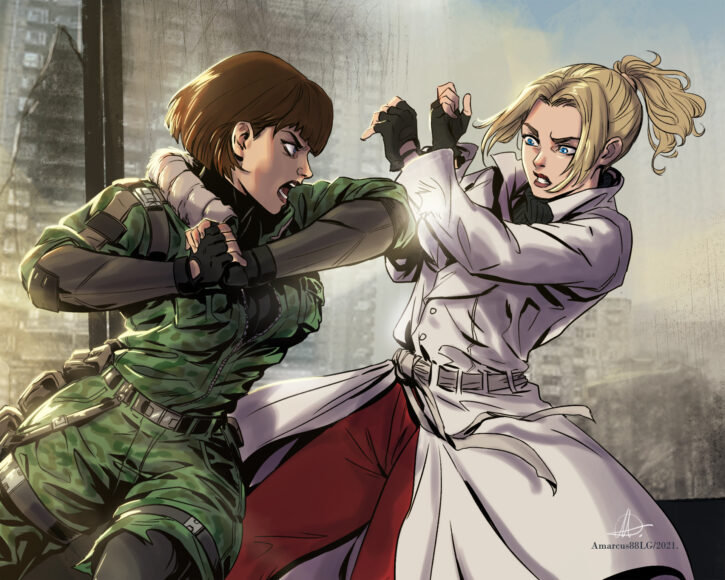
Her rivalry with Emilie “Lili” de Rochefort injects humour into Tekken’s often grim narrative, yet it is not purely comedic. Beneath the playful obsession and rivalry lies genuine respect and competitive tension, reflecting two fighters motivated by entirely different philosophies clashing repeatedly.
Asuka’s lack of ambition is precisely what makes her compelling. She does not aspire to rule corporations or reshape the world, instead choosing to confront injustice wherever it appears, even if it costs her peace. This grounded motivation keeps her relatable amid Tekken’s increasingly apocalyptic stakes.
Ultimately, Asuka Kazama represents moral resistance in a franchise defined by excess. She proves that power does not require cruelty, and that strength can exist without corruption, legacy obsession, or the need to dominate others.
Emilie “Lili” de Rochefort
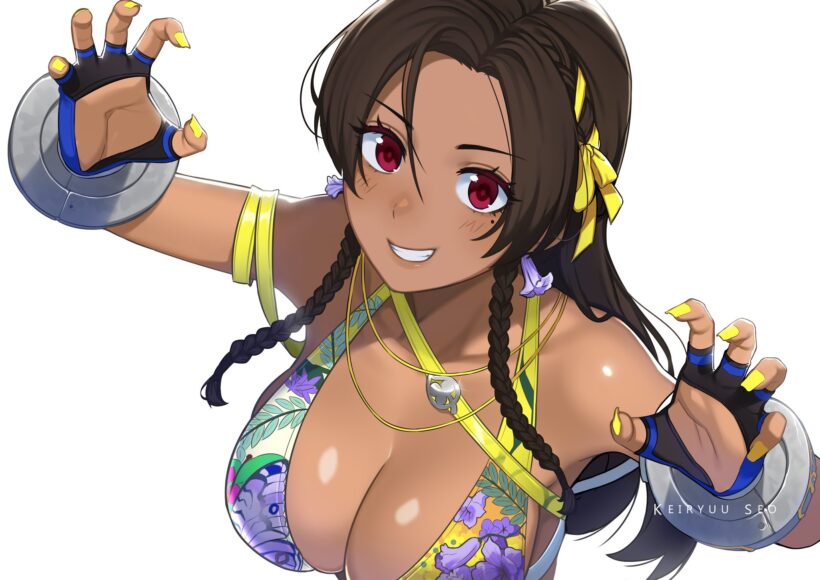
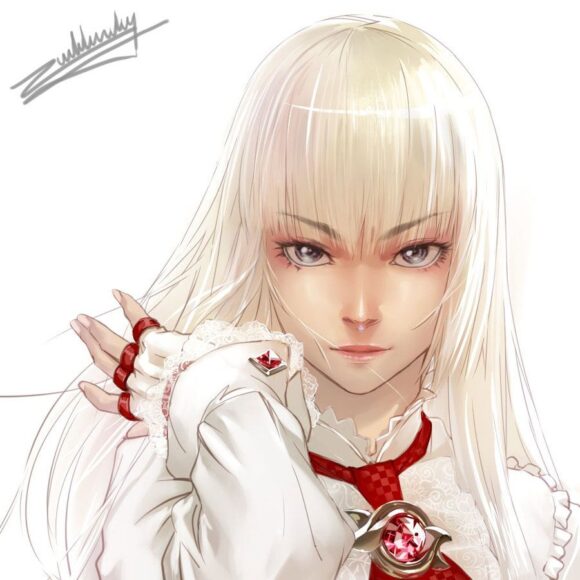
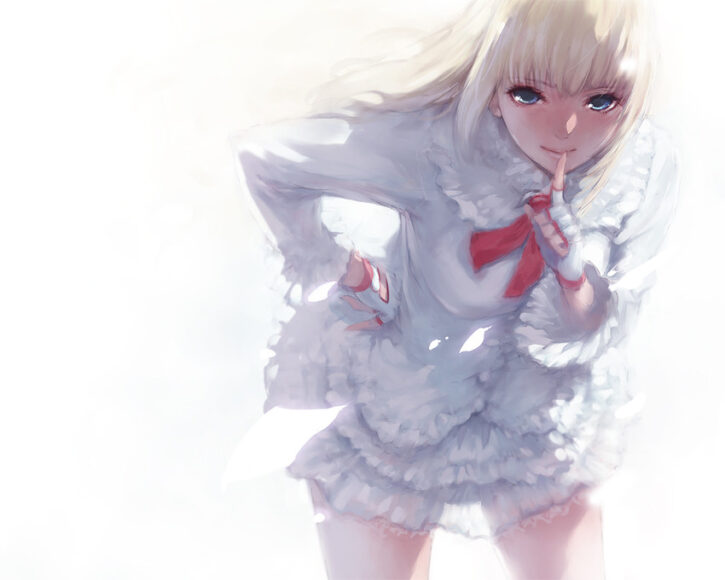
Lili de Rochefort entered the Tekken universe in Tekken 5: Dark Resurrection as a character who inverted the franchise’s usual motivations for combat. Born into extreme wealth, Lili had access to everything money could buy, yet found her life devoid of meaning or challenge. Unlike fighters shaped by trauma or survival, Lili’s journey begins with boredom, making her fascination with combat both ironic and refreshing.
Her worldview changed dramatically following a kidnapping incident in which she managed to escape without assistance. This moment awakened her sense of autonomy and introduced her to the thrill of danger, marking the first time she felt truly alive. Rather than retreating into safety, Lili pursued combat as a means of self-discovery and empowerment.
Lili’s fighting style is as unconventional as her background, blending gymnastics, acrobatics, and improvised street fighting into a fluid and deceptive form of combat. Her movements prioritise elegance and misdirection, often masking aggression beneath graceful motions. This duality mirrors her personality, playful on the surface yet calculating underneath.
In gameplay, Lili is renowned for her exceptional lateral movement and evasive pressure. Her sidestep capabilities allow her to control spacing and frustrate opponents, forcing mistakes through superior positioning rather than brute force. She excels in the hands of players who value movement, patience, and spatial awareness.
Her fixation on Asuka Kazama evolves into one of Tekken’s most entertaining rivalries, driven less by hatred and more by fascination. Lili’s obsession with Asuka stems from curiosity and admiration rather than malice, adding a layer of complexity to their repeated clashes.
Despite her aristocratic upbringing, Lili is not naive. She is intelligent, observant, and acutely aware of the power dynamics around her, choosing when to engage and when to retreat. Her wealth grants her freedom, but it is her confidence that defines her presence.
Narratively, Lili operates largely outside Tekken’s central power struggles, which allows her to interact with the story without being consumed by it. She fights because she wants to, not because she must, giving her agency that many characters lack.
Ling Xiaoyu
Ling Xiaoyu has served as Tekken’s emotional core since her debut in Tekken 3, offering a perspective rooted in compassion rather than conquest. Raised by Heihachi Mishima at Mishima Polytechnical School, Xiaoyu was exposed early to the cruelty and manipulation that defined the Mishima legacy, yet somehow emerged without adopting its darkness. Her optimism is not ignorance, but a conscious refusal to accept hatred as inevitable.
Xiaoyu’s bond with Jin Kazama is central to her character, forming the emotional spine of her narrative across multiple entries. While others view Jin as a threat or weapon, Xiaoyu sees him as a person worth saving, even when his actions become indefensible. This unwavering belief places her at odds with nearly every major power in the Tekken universe.
Trained in Baguazhang and Piguaquan, Xiaoyu’s fighting style emphasizes speed, circular movement, and adaptability. Her combat philosophy prioritises evasion and momentum over direct confrontation, allowing her to overwhelm opponents through unpredictability rather than force.
In gameplay, Xiaoyu is a stance-heavy, high-mobility character who rewards creativity and mastery. Her low durability demands precision, but her ability to control tempo and confuse opponents makes her devastating when used effectively.
She thrives on movement, misdirection, and relentless pressure. Narratively, Xiaoyu’s goal remains consistent across the series: to stop the cycle of violence perpetuated by the Devil Gene.
Unlike those who seek to destroy or exploit it, she believes it can be overcome through understanding and compassion. Her refusal to abandon Jin, even as the world turns against him, highlights her emotional resilience. Xiaoyu absorbs pain and loss without becoming hardened, an unusual trait in Tekken’s brutal landscape.
Xiaoyu’s presence humanises the series, grounding its escalating conflicts in personal stakes rather than abstract power struggles. She reminds players that the cost of violence is measured in people, not victories. Ultimately, Ling Xiaoyu represents hope as resistance, standing firm in her belief that even the darkest legacies can be undone.
Bryan Fury
Bryan Fury debuted in Tekken 3 as an immediate tonal shock, introducing a character driven not by ambition or revenge, but by pure chaos. Once a police officer, Bryan was fatally wounded and resurrected as a cyborg through experimental technology, a process that erased what remained of his moral restraint. The result was a being who delights in destruction for its own sake.
Unlike most Tekken fighters, Bryan has no loyalty, ideology, or long-term objective. He does not seek power, recognition, or even survival, existing instead as a force of disruption wherever conflict arises. This absence of motivation makes him uniquely terrifying, as his actions cannot be reasoned with or predicted.
Bryan’s fighting style reflects his personality, blending brutal kickboxing with overwhelming mechanical strength. Every strike is delivered with intent to harm rather than incapacitate, emphasizing pain and dominance over efficiency. His combat is violent, direct, and unapologetic.
In gameplay, Bryan is a counter-hit specialist capable of inflicting devastating damage when opponents make mistakes. His toolkit rewards patience and precise timing, allowing him to punish hesitation with explosive force. A single misstep against Bryan can end a round instantly.
Narratively, Bryan operates outside Tekken’s central power struggles, drifting between conflicts as an agent of chaos. He has no allegiance to corporations, bloodlines, or nations, making him a wild card in every appearance.
His maniacal laughter and erratic behaviour reinforce his role as a destabilising presence, stripping scenes of any sense of safety or predictability. When Bryan appears, escalation is inevitable.
Bryan’s lack of humanity is not framed as tragedy but as horror. He does not mourn what he lost, nor does he seek redemption, embracing his nature without hesitation. Bryan Fury represents Tekken at its most nihilistic, embodying violence without justification, restraint, or purpose.
King
King II first appeared in Tekken 3 as the successor to the original King, inheriting not just the iconic jaguar mask but an entire philosophy built around compassion and sacrifice. The original King was an orphan who became a professional wrestler to support disadvantaged children, and after his death while protecting them, King II chose to continue that mission rather than forge a new identity. This decision defines his character, making legacy a matter of responsibility rather than ego.
Unlike many fighters motivated by vengeance or ambition, King fights to protect others, particularly orphans and the vulnerable. His commitment to charity and humanitarian causes gives him one of the purest moral compasses in the Tekken universe. Even when surrounded by war profiteers, assassins, and tyrants, King remains focused on helping those who cannot defend themselves.
King’s fighting style is professional wrestling inspired heavily by lucha libre, incorporating throws, grapples, and submission holds designed to dominate opponents through physical control. His combat is theatrical yet brutally effective, emphasizing leverage, timing, and raw strength rather than speed or trickery. Every movement reflects years of disciplined training.
In gameplay, King is among Tekken’s most feared grapplers, renowned for his complex chain throws that can deal massive damage if not escaped correctly. Mastery of King requires both execution and psychological pressure, as opponents are forced to guess escape timings under intense stress. His presence alone alters how matches are played.
Narratively, King often operates on the fringes of Tekken’s main storyline, yet his actions consistently ground the series in human stakes. While others fight over power structures, King fights to fund orphanages, rebuild communities, and protect children from violence.
His silence and masked identity add to his mystique, allowing his actions to speak louder than words. Unlike characters who monologue about destiny or power, King expresses his values entirely through action.
Sergei Dragunov
Sergei Dragunov was introduced in Tekken 5: Dark Resurrection as a chilling embodiment of military efficiency and emotional suppression. A high-ranking operative of the Russian armed forces, Dragunov operates under strict discipline, carrying out missions with mechanical precision. His near-total silence immediately distinguishes him from the franchise’s more expressive personalities.
Dragunov’s upbringing and training conditioned him to suppress emotion entirely, reducing human interaction to necessity rather than connection. This emotional void makes him deeply unsettling, as his motivations remain largely unknown beyond obedience to command.
His fighting style is Combat Sambo, a real-world Russian martial art developed for military use, emphasizing close-quarters combat, grappling, and rapid takedowns. Every technique is designed for efficiency, with no wasted movement or flourish.
In gameplay, Dragunov excels at relentless pressure, strong pokes, and suffocating offense that leaves opponents little room to breathe. His toolkit rewards aggressive fundamentals and positional dominance rather than flashy execution.
Narratively, Dragunov often functions as an instrument rather than an individual, deployed wherever conflict escalates. His lack of personal ambition or moral questioning makes him unpredictable and dangerous.
Steve Fox
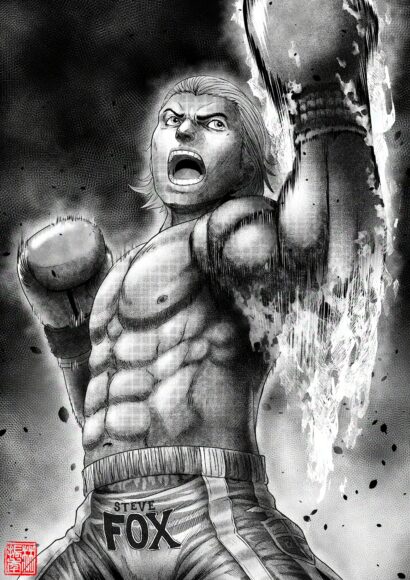
Steve Fox debuted in Tekken 4 as the franchise’s first pure boxer, immediately challenging Tekken’s established combat norms. Unlike characters who blend multiple martial arts, Steve relies entirely on punches, footwork, and head movement, making him one of the most technically distinct fighters in the series.
Steve was raised in a laboratory as part of an illegal genetic experiment, trained from childhood to fight and survive without emotional attachment. His early life was defined by control, observation, and isolation, shaping him into a weapon rather than a person.
The revelation that Nina Williams is his biological mother — created without her consent — fundamentally reshapes Steve’s sense of identity. However, Steve does not react with vengeance, instead internalizing the truth and choosing a path of restraint and self-determination.
His boxing style emphasizes weaving, counterpunching, and pressure, relying on precision and timing rather than brute force. Steve’s combat philosophy prioritizes control, turning opponents’ aggression against them.
In gameplay, Steve is one of Tekken’s most demanding characters, requiring mastery of stance transitions, timing, and spacing. He rewards discipline and technical execution, making him a favourite among advanced players.
Narratively, Steve’s refusal to kill distinguishes him sharply from assassins and soldiers alike. He fights to prove himself, not to dominate or destroy.
Paul Phoenix
Paul Phoenix has been part of Tekken since Tekken 1, introduced as a loud, confident American fighter with unmatched self-belief. Beneath the comedic exterior lies a canonically formidable warrior, capable of standing toe-to-toe with the most powerful characters in the series.
Paul once fought Kazuya Mishima to a near standstill, an achievement that cements his status as one of the strongest non-supernatural fighters in Tekken. Despite this, his career is plagued by bad luck, poor timing, and self-sabotage.
His fighting style blends karate, judo, and raw street fighting, focusing on explosive power and direct confrontation. Paul’s strength is undeniable, but his lack of finesse often limits his consistency.
In gameplay, Paul is infamous for his devastating damage output, capable of ending rounds with a single clean hit. His Phoenix Smasher has become one of Tekken’s most iconic moves.
Narratively, Paul’s overconfidence often leads him to exit tournaments early or miss crucial moments, reinforcing his role as a tragicomic figure. Despite his flaws, Paul’s sincerity and passion for fighting are genuine. He truly believes in the spirit of competition, even if he exaggerates his own greatness to be the toughest guy in the universe.
Marshall Law
Marshall Law has been a staple of the Tekken series since Tekken 1, serving as both a homage to Bruce Lee and a representation of relentless perseverance. While often portrayed with comedic exaggeration, Law is a genuinely skilled martial artist whose life has been defined by sacrifice rather than glory. His story consistently highlights the tension between mastery of combat and the harsh realities of everyday survival.
Law’s motivations are deeply personal and grounded. Unlike fighters seeking power or vengeance, he enters tournaments to support his family, maintain his dojo, and secure a future for his son. Despite his talent, success rarely sticks, reinforcing the idea that skill alone does not guarantee stability.
His fighting style is based on Jeet Kune Do, emphasizing speed, adaptability, and relentless pressure. Law’s movements are sharp and aggressive, designed to overwhelm opponents before they can establish control. This approach reflects his personality — energetic, determined, and unwilling to back down.
In gameplay, Law is known for fast strings, strong pressure tools, and accessibility, making him popular with both new and experienced players. His effectiveness increases dramatically in the hands of players who understand tempo and spacing.
Narratively, Law often struggles with financial hardship, a recurring theme that grounds him in realism amid Tekken’s increasingly extravagant conflicts. His repeated failures are not due to lack of ability, but unfortunate circumstances.
Despite these setbacks, Law never loses his passion for martial arts or his belief in hard work. His resilience defines him more than any victory ever could. Law’s relationships with other fighters are rooted in mutual respect rather than rivalry, reinforcing his role as a grounded presence in the roster. Marshall Law represents perseverance — fighting not for legacy, but for livelihood.
Nina Williams
Nina Williams is one of Tekken’s most iconic and enduring characters, debuting in Tekken 1 as a professional assassin whose reputation precedes her. Trained from early childhood to kill efficiently, Nina’s life has been defined by discipline, secrecy, and emotional suppression. Her detachment is not a quirk, but a survival mechanism refined through years of conditioning.
Nina’s upbringing stripped her of a conventional childhood, replacing emotional development with tactical training and lethal efficiency. This process molded her into a weapon rather than a person, leaving little room for vulnerability or empathy.
Her fighting style blends assassination techniques with aikido, emphasizing control, speed, and precision. Nina does not waste movement or energy, instead neutralising opponents with calculated efficiency.
In gameplay, Nina excels at relentless pressure, strings, and mix-ups, overwhelming opponents before they can react. Her technical depth rewards players who thrive under constant offensive momentum.
Narratively, Nina’s rivalry with her sister Anna Williams forms the emotional core of her story. Their conflict is fueled by resentment, betrayal, and unresolved trauma rather than ideological differences. Nina’s role as Steve Fox’s biological mother introduces complexity to her character, forcing her to confront emotions she has spent a lifetime suppressing.
Despite occasional alliances, Nina remains largely isolated, trusting few and revealing little. Her detachment is both her strength and her curse. Nina Williams represents perfection achieved at the cost of humanity.
Anna Williams
Anna Williams followed her sister into the world of assassination not out of discipline, but rivalry. From the beginning, her path was shaped by resentment and the need to prove herself equal or superior to Nina. Emotion drives every aspect of Anna’s identity, for better and worse.
Unlike Nina’s cold efficiency, Anna embraces flair, aggression, and risk. Her personality is expressive, volatile, and deeply passionate, making her unpredictable both in and out of combat.
Her fighting style mirrors this emotional intensity, trading safety for explosive offense. Anna’s attacks are aggressive and often high-risk, designed to overwhelm opponents before they can stabilize. In gameplay, Anna is a high-risk, high-reward character who thrives on momentum. When her pressure succeeds, she can dominate matches, but mistakes are punished severely.
Narratively, Anna’s fixation on Nina often blinds her to larger conflicts, trapping her in a cycle of rivalry that prevents personal growth. Despite this, Anna is not devoid of depth. Her emotional vulnerability contrasts sharply with Nina’s detachment, highlighting two vastly different responses to trauma.
Anna’s flamboyance and theatrical presence add colour to Tekken’s roster, ensuring she is never overlooked. Anna Williams represents passion without restraint — powerful, destructive, and deeply human.
Lars Alexandersson
Lars Alexandersson debuted in Tekken 6 as a surprising deviation from the Mishima archetype. Revealed to be Heihachi Mishima’s illegitimate son, Lars rejects his father’s obsession with power and control, instead seeking to dismantle the systems that perpetuate global conflict.
Raised within the Tekken Force, Lars developed a strong sense of justice and leadership. His exposure to military command shaped his belief that authority should protect, not exploit.
Lars’ fighting style blends Mishima techniques with military martial arts, resulting in fast, aggressive combat focused on mobility and pressure. His movements are dynamic and fluid, reflecting both discipline and adaptability. In gameplay, Lars excels at mobility, stance transitions, and offensive momentum. He rewards players who maintain pressure while managing risk.
Narratively, Lars positions himself as a reformist, challenging the Mishima Zaibatsu from within and seeking to end its cycle of violence. His struggle lies in balancing rebellion with responsibility, as leadership often forces difficult compromises.
Unlike other Mishimas, Lars values cooperation over dominance, forming alliances rather than demanding submission. Lars Alexandersson represents resistance born from conscience rather than ambition.
Hwoarang
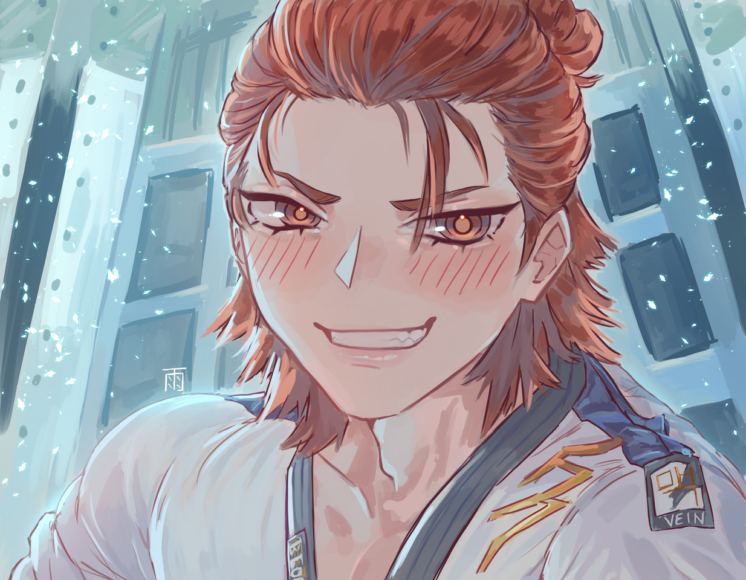
Hwoarang enters the Tekken universe as a fiery, impulsive taekwondo prodigy whose raw talent is matched only by his refusal to submit to authority. Introduced in Tekken 3, Hwoarang was raised under the strict guidance of Baek Doo San, whose discipline clashed with his natural rebellious streak. Rather than suppressing his attitude, this conflict sharpened his fighting spirit and solidified his identity as a warrior who thrives on defiance.
His rivalry with Jin Kazama defines much of his narrative, rooted not in hatred but obsession and pride. Hwoarang sees Jin as the ultimate benchmark, a rival whose strength challenges his own self-worth. This fixation pushes Hwoarang to constant self-improvement, even when it leads him into dangerous situations.
Hwoarang’s fighting style is an aggressive form of taekwondo, emphasizing relentless kicks, stance transitions, and overwhelming offensive pressure. His refusal to rely on punches symbolises his commitment to mastery through specialization rather than versatility.
In gameplay, Hwoarang is one of Tekken’s most complex characters, requiring constant stance management and precise execution. Players who master him can dominate through unending pressure and mix-ups.
Narratively, Hwoarang’s service in the military introduces maturity and discipline into his otherwise impulsive nature. These experiences temper his recklessness without extinguishing his fire.
Despite his abrasive personality, Hwoarang demonstrates loyalty and honour, especially toward Baek and those he respects. Hwoarang represents youthful defiance refined into focused strength.
Reina Mishima
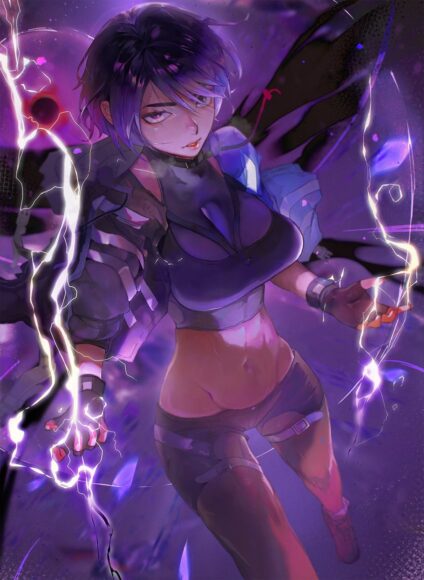
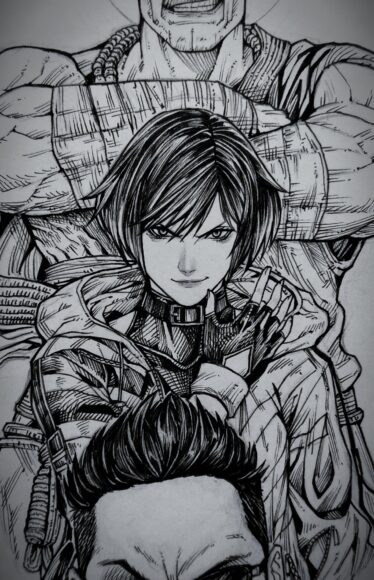
Reina Mishima is one of the most striking additions to the Tekken roster, debuting in Tekken 8 as a calculated disruption to the long-established Mishima bloodline. Introduced in TEKKEN 8 as a mysterious young woman with immediate mastery over Mishima-style techniques, Reina’s presence challenges assumptions about lineage, legacy, and power. From her first appearance, she demonstrates not only physical dominance, but psychological control, positioning herself as someone who understands the Mishima family better than they understand themselves.
Raised in secrecy, Reina was trained extensively in Mishima-style karate long before revealing herself to the world. Unlike other Mishima descendants shaped by trauma or betrayal, Reina appears to have embraced preparation and observation, learning from the family’s violent history without becoming consumed by it. Her calm confidence suggests that she sees the Mishima legacy not as a curse, but as a resource to be claimed and perfected.
Reina’s fighting style blends traditional Mishima karate with a modernized, highly aggressive approach built around speed, pressure, and misdirection. While she retains hallmark Mishima techniques such as the Wind God Fist and electric-based strikes, her execution is lighter, faster, and more fluid than her predecessors. This evolution reflects a new generation of Mishima combat, prioritizing adaptability over raw intimidation.
In gameplay, Reina is defined by relentless offense, strong mix-ups, and fluid transitions that allow her to maintain constant pressure. She rewards players who thrive on momentum and precision, making her both technically demanding and visually explosive. Her electric attacks function as both damage tools and psychological weapons, forcing opponents into defensive mistakes.
Narratively, Reina’s connection to Heihachi Mishima reshapes Tekken’s understanding of its central antagonist. As another of his offspring, she represents the consequences of his legacy continuing beyond death. However, unlike Kazuya or Jin, Reina does not frame her existence around resentment or moral conflict, instead approaching power with unsettling clarity.
Reina’s personality is defined by confidence, sharp intelligence, and controlled menace. Her taunts and demeanor suggest someone who enjoys dominance not just in combat, but in conversation and perception. She understands fear, respect, and image, wielding them with the same precision as her fists.
Her presence forces other Mishima characters to confront uncomfortable truths about inheritance and inevitability. Reina does not seek to destroy the Mishima name, nor to redeem it, but to own it fully and reshape it in her image. This position makes her uniquely dangerous within Tekken’s narrative.
Heihachi Mishima
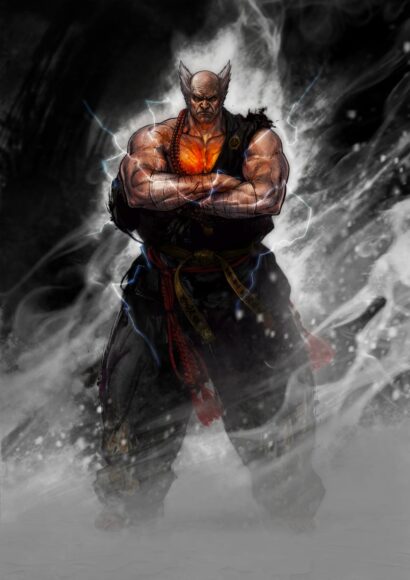
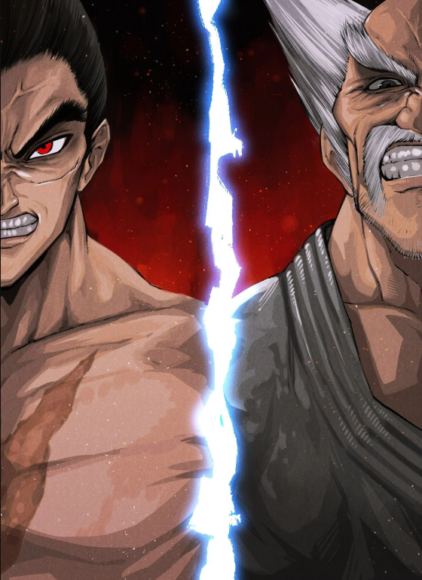
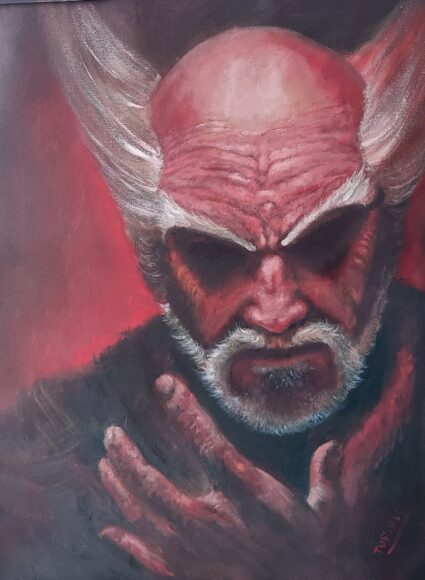
Heihachi Mishima stands as one of the most infamous antagonists in fighting game history, embodying ruthless ambition and generational cruelty. As the head of the Mishima Zaibatsu, Heihachi’s philosophy is rooted in domination through strength, believing compassion to be weakness. His rise to power was forged through betrayal, violence, and relentless ambition.
His relationship with his son Kazuya is one of Tekken’s central tragedies, beginning with Heihachi throwing Kazuya into a volcano to test his survival. This act symbolizes Heihachi’s belief that only the strong deserve to live, regardless of familial bonds.
Heihachi’s fighting style blends Mishima karate with brutal, efficient techniques designed to overwhelm opponents through sheer force. Unlike Kazuya, Heihachi does not rely on the Devil Gene, emphasizing his belief in human strength over supernatural reliance.
In gameplay, Heihachi is known for high execution demands and devastating punishment potential. His electric wind god fists require precision and reward mastery.
Narratively, Heihachi’s manipulation of global conflicts for personal gain reveals his willingness to sacrifice millions for control. Despite his villainy, Heihachi’s charisma and unwavering conviction make him compelling rather than one-dimensional. His refusal to acknowledge emotional weakness ultimately isolates him. Heihachi Mishima represents ambition unchecked by humanity.
Kazuya Mishima
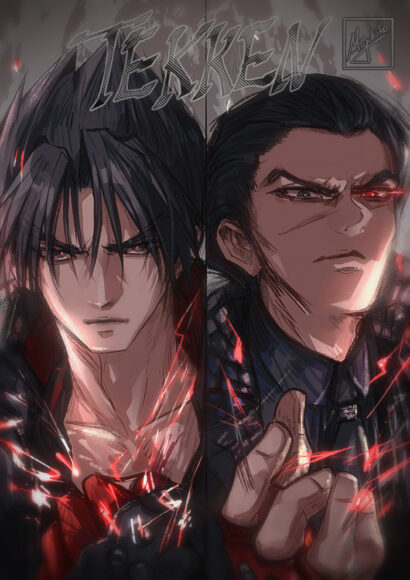
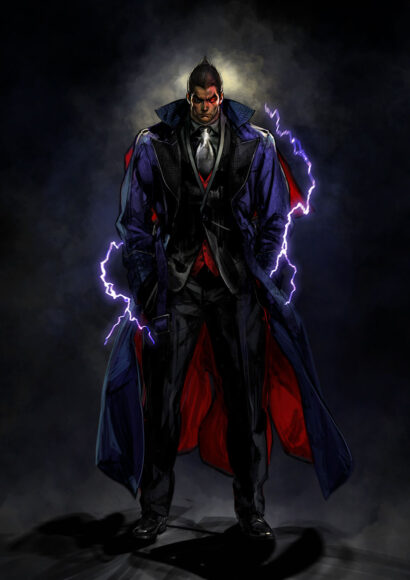
Without a doubt being the main face of the TEKKEN franchise, Kazuya Mishima is Tekken’s embodiment of vengeance, shaped by betrayal and consumed by inner conflict. After surviving his father’s attempt to kill him, Kazuya’s life became defined by resentment and the Devil Gene that awakened within him. Unlike Heihachi, Kazuya embraces supernatural power rather than rejecting it.
His internal struggle between human rage and demonic influence drives his narrative across the series. Kazuya is not a mindless villain, but a man trapped by trauma and power he cannot fully control. Kazuya’s fighting style is Mishima karate refined into precise, devastating attacks. His movements are controlled and deliberate, reflecting his calculated approach to combat.
In gameplay, Kazuya rewards patience, execution, and punishment mastery. His strength lies in reading opponents rather than overwhelming them. Narratively, Kazuya’s role as both antagonist and tragic figure complicates Tekken’s moral landscape.
The Electric Wind God Fist stands as the defining symbol of Kazuya’s combat philosophy and technical mastery. This technique, a perfectly timed crouch-dash uppercut executed with exacting precision, transforms a standard Wind God Fist into a lightning-fast, frame-advantageous strike. The electric variant does not merely deal damage; it creates momentum, pressure, and psychological dominance, rewarding players who can execute it consistently under pressure.
His relationship with Jin is defined by inherited violence, as Kazuya becomes the very thing he despised. Despite his cruelty, moments of vulnerability hint at the humanity buried beneath rage. Kazuya Mishima represents the cost of revenge pursued without restraint.
Jin Kazama
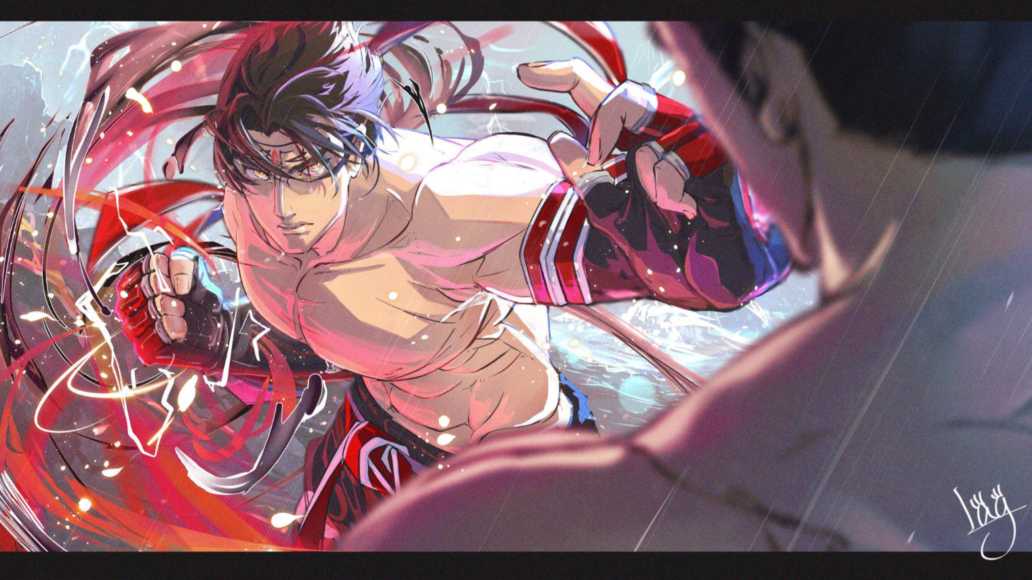
Jin Kazama stands as Tekken’s main protagonist, burdened with the legacy of the Mishima bloodline and the Devil Gene. Raised by Jun Kazama to value compassion, Jin’s worldview fractures after Heihachi’s betrayal, forcing him into a cycle of violence he desperately seeks to escape.
Jin’s internal conflict defines the series, as he struggles to reconcile his desire to end suffering with the destruction his actions cause. His decision to initiate global conflict in Tekken 6 reflects a tragic belief that evil must be eradicated at any cost.
His fighting style evolves across the series, blending traditional Mishima karate with Kazama-style self-defense. This evolution mirrors his struggle to forge an identity separate from his lineage.
In gameplay, Jin is balanced and versatile, capable of adapting to nearly any situation. His toolkit rewards strategic thinking and precision. Narratively, Jin’s rejection of the Devil Gene represents hope for breaking generational curses.
His relationships with characters like Xiaoyu and Hwoarang reveal the human connections that tether him to morality. Jin’s willingness to shoulder hatred to protect others defines his tragic heroism. Jin Kazama represents sacrifice, redemption, and the fight to end inherited violence.