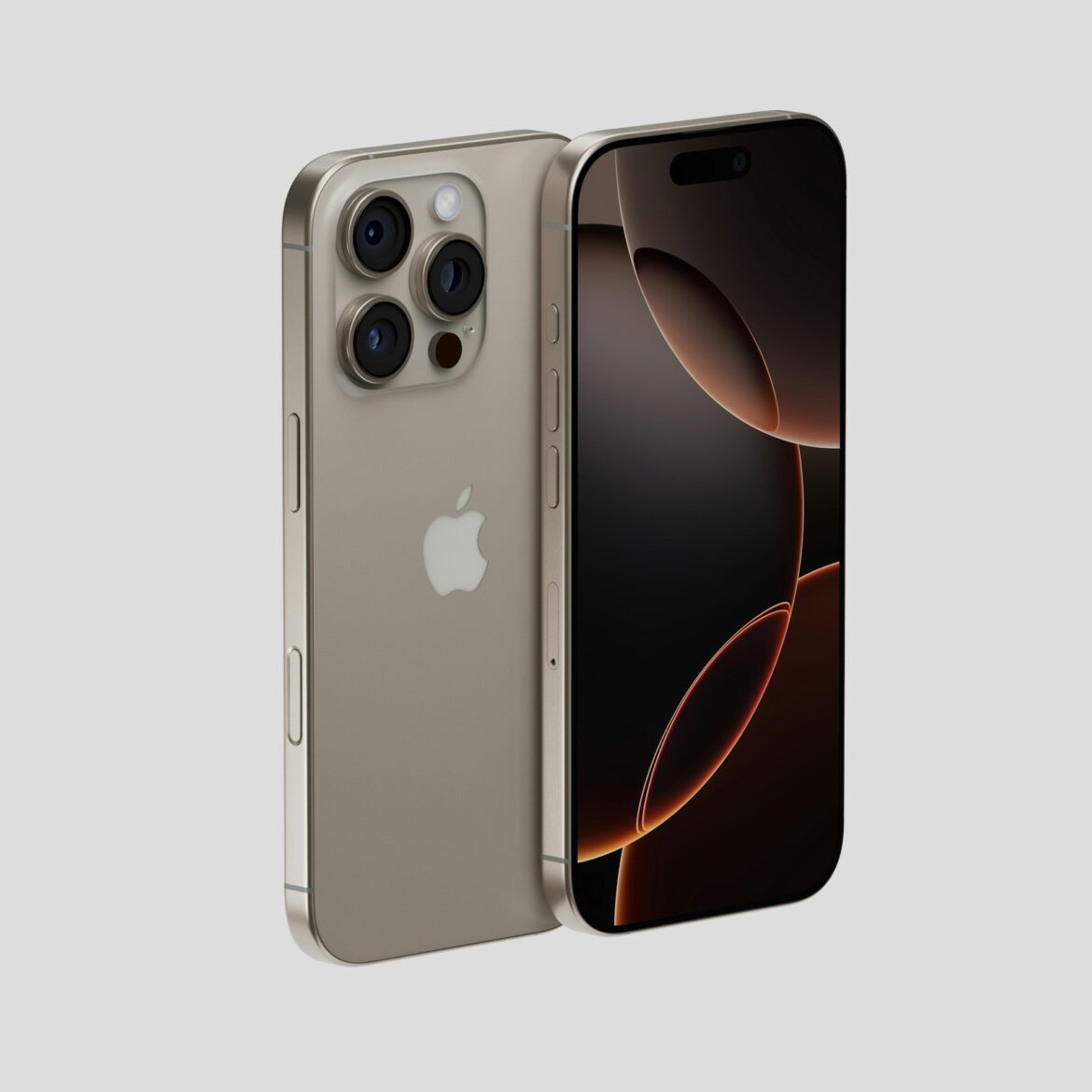
The Apple platform is renowned for its sleek design philosophy and seamless closed ecosystem. However, it has also been criticised for making internal construction difficult, complicating tasks like battery replacements or device repairs. With the iPhone 16, Apple introduces a breakthrough – a special adhesive that makes it the most repairable model yet.
Devices Need to be Repairable
Smartphones have become indispensable to modern life, and their role will only grow as more services move fully digital, requiring access through mobile devices and internet connections.
Today’s workforce includes digital nomads and entrepreneurs who rely heavily on smartphones, tablets, and laptops to run their businesses. Using an internet-enabled device, it’s possible to establish social media accounts and set the foundations of your business in record time. More broadly, online-only businesses are thriving, as seen in industries like streaming TV and online gaming. For example, services like Paddy Power’s online casino offer slot games and live-streamed experiences that can’t be accessed anywhere else. By no means do users need to have the latest model of smartphone to be able to play their games – quite the opposite, in fact, as slot games typically don’t require ultra-fast processing speeds for full functionality. But you do need a working device.
With such heavy daily use, devices inevitably experience wear and tear. Apple and other smartphone manufacturers are well aware of this, which is why they offer repair services – though at a cost. Most consumers prefer to opt for this, avoiding risk of further damage. However, tech-savvy users might prefer to handle repairs themselves. Unfortunately, modern smartphones are full of obstacles like ribbons and adhesive pull tabs that make repairs difficult. Now, the latest iPhone addresses this issue by replacing pull tabs with an innovative, electrically deactivated glue.
How the iPhone 16’s Glue Works
Smartphone batteries are typically glued in place to prevent movement or internal damage, but this becomes a challenge when the battery needs replacement. Since batteries degrade with use, they are one of the most common repairs, making glued-in batteries a pain point for consumers. Make Use Of explains why this is the case.
In mid-2024, rumours began about Apple experimenting with ‘electrically induced adhesive debonding.’ These rumours have been proven true. The iPhone 16 uses a special glue that loses its adhesive properties when a small electrical current (12V) is passed through it for a minute. You can see this process in action in iFixit’s iPhone 16 teardown video below:
<iframe width=”560″ height=”315″ src=”https://www.youtube.com/embed/M6jBXI6CR9s?si=B3LEBnnPpTskmQfj&start=156″ title=”YouTube video player” frameborder=”0″ allow=”accelerometer; autoplay; clipboard-write; encrypted-media; gyroscope; picture-in-picture; web-share” referrerpolicy=”strict-origin-when-cross-origin” allowfullscreen></iframe>
According to those summer rumours, every iPhone in the foreseeable future will have this system. If true, this has instantly made the iPhone one of the most repairable smartphones on the market. This represents yet another innovative step from a company that has built its brand around trendsetting.
Even with this advanced glue, consumers will still need the right tools for proper repairs. That’s why Apple’s Self-Service Repair page gives a step-by-step guide to repairing one of their products, including ordering official parts or tools.
For most people, the repairability of the iPhone may not be the primary reason for purchase, but it marks a significant shift toward more sustainable, user-repairable smartphones. If other brands follow this trend, we could see longer-lasting smartphones and greater value for consumers in years to come.