
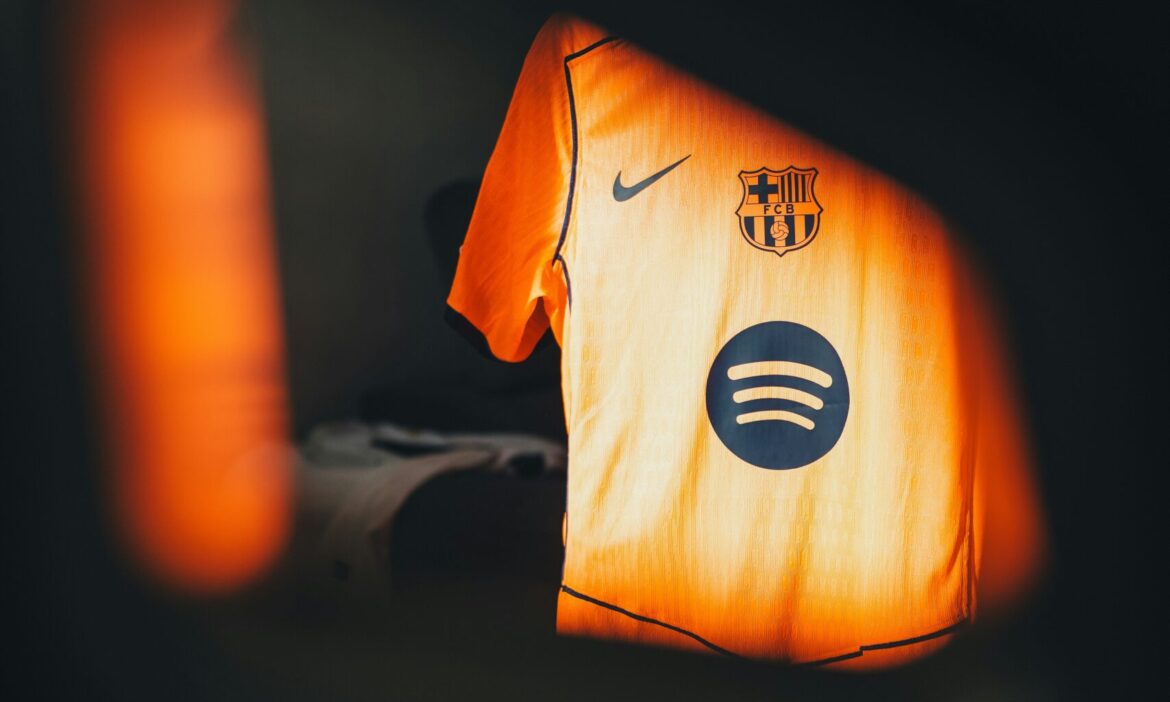
As the regulatory clock ticks toward the 2026 front-of-shirt ban, the English top-flight finds itself at a financial crossroads where traditional kit aesthetics and high-stakes betting revenue collide for the final time.
Visual branding within English football currently undergoes profound transformation unseen since television rights expanded. While stadium noise remains constant, corporate logos adorning famous athletes face systematic removal. Such a transition period relies heavily upon frantic pivots toward physical activations and lifestyle partnerships aiming to bypass digital clutter. Major clubs recognize traditional advertising methods require immediate replacement before impending deadlines strike. Securing alternative revenue streams demands creative marketing approaches across multiple platforms. Executives scramble daily to finalize lucrative contracts replacing outbound operators.
The Thames Becomes the Ultimate Goal Post
Puma dumped a 10.5-metre inflatable Orbita Ultimate ball directly into London waterways in August 2025 for a massive 8-mile stunt. Flowing majestically along dark currents, glowing illuminated panels on massive spheres reflected brightly against the historical architecture surrounding the city limits. Aston Villa forward Morgan Rogers claimed official goalscorer status after coordinators carefully guided massive inflatables directly through Tower Bridge structures. Creating such an enormous spectacle effectively captures spectator attention immediately. Organizers labeled their massive marketing stunt as the Biggest Goal Ever to emphasize scale and ambition.
Industry bosses finally realize floating an oversized glowing orb down a dark river looks pretty spectacular and generates massive organic social sharing instantly. Claiming physical spaces rapidly replaces exhausting digital ad campaigns across European markets right now. Occupying real-world locations genuinely redefines how corporate sponsors allocate budgets. The State of Marketing Europe 2026 report shows that standing out as a brand is the top priority for chief marketing officers right now. In fact, having a physical presence is way more important than any generative AI tools out there.
Research from industry analysts projects European advertising spending reaching €188.5 billion by late 2025. Major companies aggressively abandon crowded software interfaces where consumer attention fragments constantly. Executives prefer banking heavily upon a verified 20% recall rate associated with out-of-home physical installations. Giant real-world spectacles easily outperform standard digital banners in performance metrics.
Analyzing the Market Movements and Payout Realities
Financial analysts looking to understand the mechanics of betting platforms can read a comparison here that discusses payout structures and bonus/free bet offerings, particularly as the industry moves toward a more transparent, regulated framework. According to Oddspedia data released during mid-February 2026, championship probabilities look locked. Arsenal sit comfortably positioned at -500 favorites. Bettors largely ignore top-tier title races currently. Professional punters closely watch lower-table struggles. Research from market watchers highlights intense relegation battles. Burnley faces heavy 1/33 odds concerning their impending drop. Erling Haaland carries a massive 1/16 price tag for another Golden Boot award.
Relegation odds-shortening directly affects corporate revenue. Currently, 11 active gambling sponsorships contain strict performance-based bonuses tied to survival. Dropping out of premier divisions nullifies lucrative contract clauses instantly. Relegation triggers immediate sponsorship revenue reductions. Operators calculate exposure risks carefully. Financial departments constantly monitor team point totals. Point deficits mean smaller bonus payouts. Contracts reflect current statistical realities perfectly.
The Strategic Pivot Toward Athlete Wellness
Athletes increasingly prioritize personal health branding over traditional gambling endorsements. Corporate portfolios reflect changing individual priorities across major squads. Here are the three things to look out for throughout 2026:
- 2026 Phase-Out: Voluntary front-of-shirt bans force urgent commercial strategy adjustments; 11 out of 20 clubs currently extract every remaining revenue pound from outgoing betting sectors.
- Regulatory Squeeze: HMRC taxation adjustments combined with 2025 Operating Licence Conditions amendments make alternative shirt-sleeve agreements extremely attractive financially.
- Ascent of Lifestyle Ambassadors: Faceless betting corporations experience declining market share against highly personalized lifestyle partnerships focusing upon individual player identities.
Aston Villa defender Matty Cash illustrates these kinds of transitions perfectly, following his recent move into sustainable fashion. Representing Step One as an official ambassador feels pretty natural for modern athletes (often highly concerned regarding environmental impacts). Cash recently spoke publicly regarding his new clothing partnership. According to official press releases, Cash stated, “Comfort is paramount for my performance… and support I need to recover and perform at my best every match.” Players currently curate investment portfolios emphasizing career longevity over speculative financial gains. Choosing wellness brands allows athletes tighter control over personal public images.
Global Financial Decisions Impacting the Next Decade
Not since the early 90s commercial expansions has league management faced such daunting replacement tasks. Executives securely cover an enormous financial deficit left behind by departing betting operators, with direct shirt revenue losses approaching £95 million to £100 million, while the total impact reaches £130 million. Fresh industries eagerly acquire prime advertising spots recently vacated by betting companies. Financial technology applications and global airlines currently bid aggressively for premium visibility.
Research from GlobalData Sport (2025) points toward rapid expansion within secondary advertising spaces. Premium secondary inventory, like training gear and shirt sleeves, provides highly lucrative advertising space for fresh international partners. Aviation corporations know immense weekend television viewership guarantees solid returns on multi-million-pound investments.
Cryptocurrency platforms actively hunt mainstream validation by attaching logos directly onto prominent athletic kits. Technology firms simply want unfiltered access to millions of regular fans watching weekly fixtures, demanding highly visible physical integration during every single broadcast. Why would major brands ignore such incredible exposure opportunities? Securing sustainable corporate backing dictates which organizations will dominate European competitions permanently.
This article was provided to Verge by a third party.


