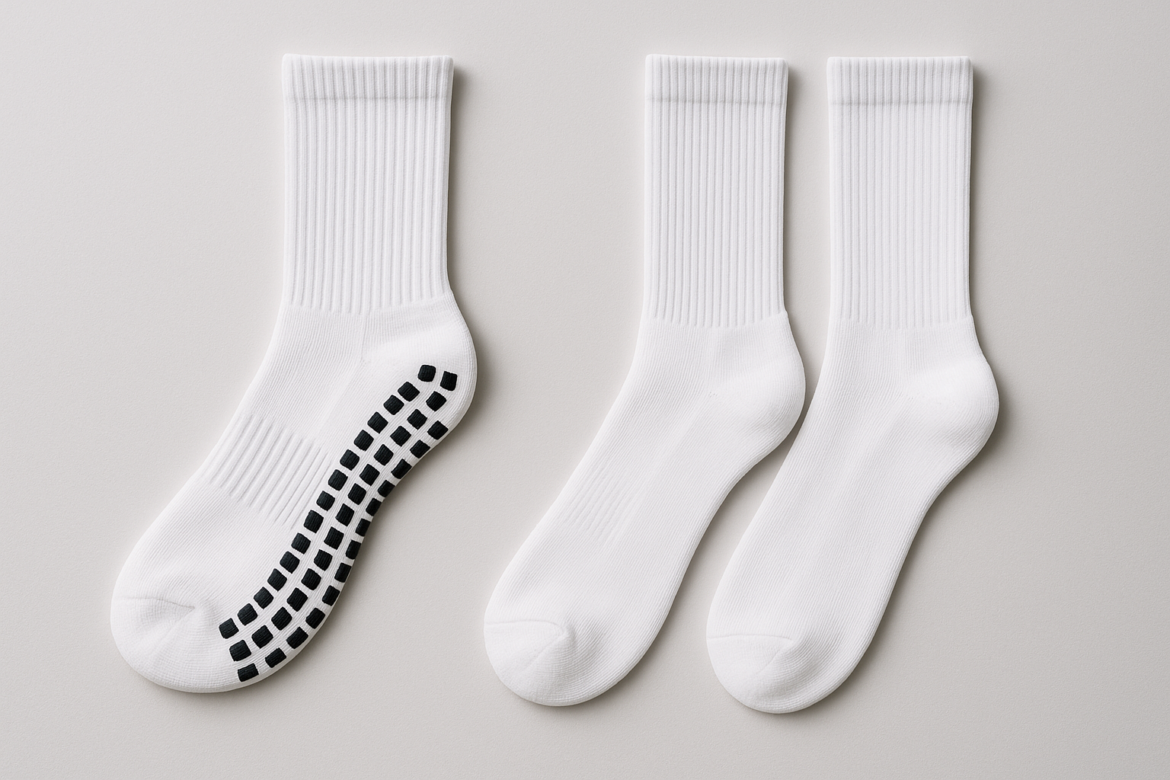
In the world of football, choosing the right gear can make a significant difference in performance. Among the essential items, socks play a crucial role, and the debate between grip socks and regular football socks continues to grow. This article explores the benefits and drawbacks of each type, helping you decide which is worth the investment. In particular, many athletes have discovered that football grip socks provide an added edge in high-intensity matches.
Grip socks have gained popularity due to their ability to enhance traction and control on the field. These innovative socks are designed to prevent slippage inside the shoe, allowing for better stability and agility during play. With grip socks, athletes often experience improved performance, particularly in sports that require quick directional changes and rapid movements. As a result, many coaches recommend grip socks for football, acknowledging their role in better footwork and ball control.
The evolution of football socks
Traditional football socks have long been a staple in every player’s kit, primarily focusing on comfort and durability. Made from thick, often non-breathable materials, these socks were designed to withstand the rigours of the game but offered little in terms of performance enhancement. As the demands of the sport evolved, so did the need for more advanced gear. For those seeking an extra advantage, the best grip socks offer improved foot security and reduce slippage.
With the introduction of new materials and technologies, football socks began to incorporate features like moisture-wicking fabrics and improved elasticity. These advancements allowed for better temperature regulation and a more secure fit, setting the stage for the development of grip socks, which take performance to the next level. In fact, socks with a grip have become more prevalent as manufacturing techniques advance, offering pinpoint traction in high-impact zones.
The shift from basic cotton blends to synthetic performance fabrics marked a turning point in football sock development. Modern manufacturing techniques have enabled the creation of socks with targeted cushioning zones, anatomical fits, and seamless construction that minimizes friction and blistering. These innovations have transformed socks from mere protective layers into performance-enhancing equipment that can genuinely impact a player’s effectiveness on the pitch.
Technological advancements in grip socks
There´s no doubt that grip socks represent a significant leap forward in sports apparel technology. Engineered with special grip pads on the soles, these socks provide superior traction, reducing the risk of slipping and enhancing agility. This is particularly beneficial in football, where maintaining balance and control is crucial. For instance, football grip socks are specifically engineered to address the rapid lateral movements in football, ensuring players maintain optimum footing.
In addition to traction, grip socks often feature compression elements that support blood flow and reduce muscle fatigue. This combination of features not only boosts performance but also aids in quicker recovery, making grip socks a valuable addition to any athlete’s gear. Specifically, grip socks for football combine supportive compression and traction pads to help players maintain balance during demanding plays.
The grip technology itself varies across different brands, with some utilizing silicone patterns, others employing rubber compounds, and premium options featuring proprietary materials that maximize friction without adding bulk. These grip patterns are strategically placed on high-contact areas such as the heel, ball of the foot, and toe box, ensuring optimal traction during acceleration, deceleration, and lateral movements.
The science behind these designs is continually evolving, with manufacturers investing in research to understand biomechanics and optimize grip placement for maximum athletic advantage. Additionally, socks with a grip come in different traction designs that cater to varied playing surfaces, ensuring consistent performance.
Comfort and performance balance
While performance is a key factor, comfort remains essential in choosing the right socks. Grip socks are designed to offer a snug fit without compromising comfort. Advanced materials and ergonomic designs ensure that these socks provide excellent foot lockdown while remaining breathable and lightweight. Some athletes consider the best grip socks essential for high-level competition, but they also prioritize a comfortable fit to maintain focus throughout the match.
Regular football socks, on the other hand, may not offer the same level of performance enhancement but are often more affordable and still provide adequate comfort for casual players. The decision between grip socks and regular socks ultimately depends on your specific needs and how much you value performance over cost.
Versatility across sports
One of the advantages of grip socks is their versatility. While they are particularly beneficial for football, their design makes them suitable for a range of sports, including basketball, tennis, and even yoga. This adaptability makes them a worthwhile investment for athletes who participate in multiple activities.
Regular football socks, while less specialized, still serve their purpose well in a variety of sports. They offer basic comfort and durability, making them a reliable choice for those who play casually or are just starting out.
Ultimately, whether you choose grip socks or regular football socks, understanding their benefits and limitations will help you make an informed decision that enhances your athletic experience.