There was a time when commercial aviation was in its infancy, and boarding a plane was an experience reserved for the wealthy and well-connected. In the grand scheme of things, air travel hasn’t been around long — a little over a century ago, the Wright Brothers were taking their first successful flight. A hundred years is the blink of an eye in human existence, and here we are in 2024, where air travel is the most used mode of long-distance travel worldwide.
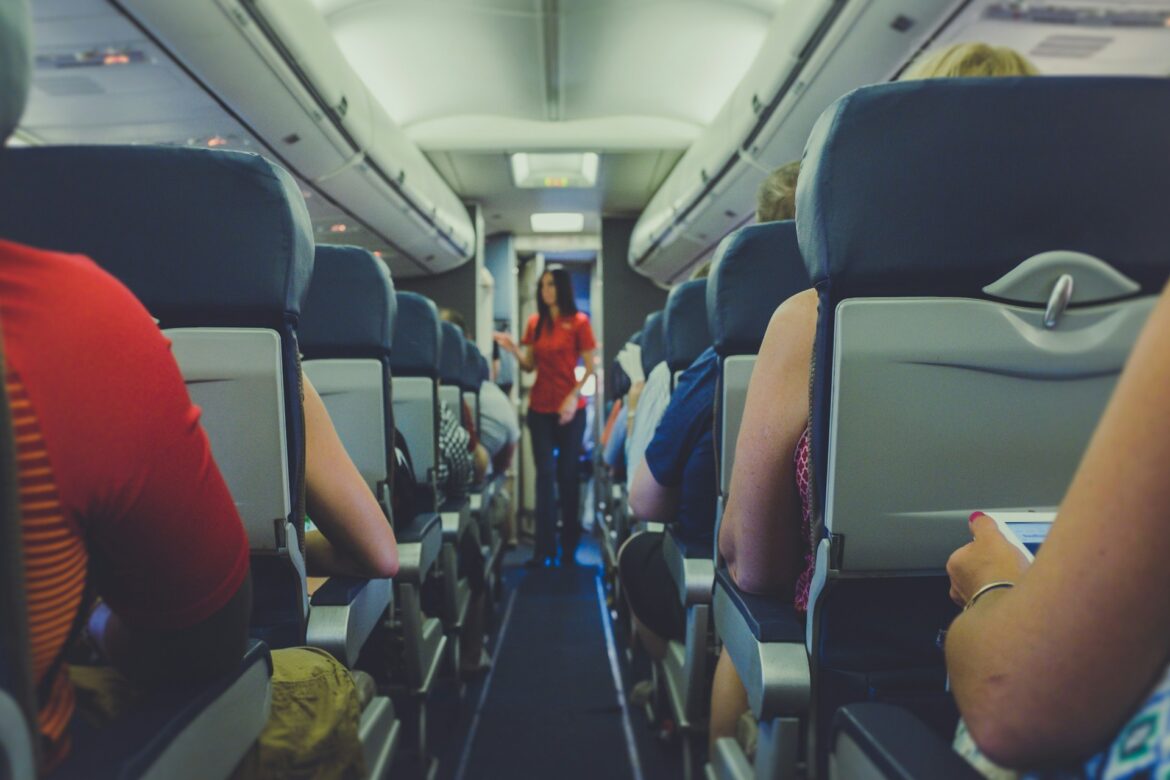
The cabin crew, who serve us and look out for our safety while we’re in the air, are usually referred to by other titles: either flight attendant or steward/stewardess. The aviation industry has made it clear how quickly things can change, so it’s only natural that the roles and responsibilities of the cabin crew have evolved and adapted over the years. Let’s learn more about what these impeccably trained individuals do and why their titles have been a source of much discussion.
The Matriarchs of the Profession
It took 25 or so years for the Wrights Brothers’ initial successful flight to turn into a prosperous and flourishing industry that offers commercial and private flights to locations all over the world, which is when the first “flight attendants” were employed. The first “stewards” were usually young men who attended to the baggage handling, food serving and safety instruction of all the passengers aboard. It was in 1930 that a very significant event occurred — an event that would change the course of aviation history for a long time to come. Ellen Church, both a registered nurse and a licensed pilot (which was very unusual for women in those days), had reached out to the biggest name in commercial aviation, Boeing Air Transport, to share her idea of employing women as cabin crew.
Church’s proposal included the idea that all women who served as stewardesses must be registered nurses. She believed that having trained medical professionals on board would soothe passengers’ nerves, especially given the intense turbulence and unpredictable nature of the earliest commercial flights. Women trained as nurses, she argued, would be calm and reassuring, making them perfect for the job. Boeing saw the value in Church’s idea and accepted the proposal, ushering in Church as the first stewardess in aviation history.
This move was a game changer for women in the nursing profession looking for other opportunities or women interested in aviation who could previously not get a foot in the door of what was then very much a boy’s club. Church saw the change as inviting women to sit at the table. However, it wouldn’t be smooth sailing for the stewardesses.
Requirements and Early Standards
These days, passengers who board a commercial flight or private plane know that whoever greets them as they enter the aircraft, be it those who identify as female, male or other, were hired because they were the best fit for the position. Most passengers offer the cabin crew the appropriate level of politeness and respect regardless of gender, but back in the 40s and 50s, it wasn’t always like that for the then majority-female teams of flight attendants.
Before 1950, any woman wishing to find employment as a stewardess needed to:
- Be a registered nurse
- A college education (which was rare in comparison to male attendance) if no nursing degree was applicable.
- Be a white female
- Appearance, height, weight, and interpersonal skills were set to a near-impossible standard
- Be single (never widowed or married)
This would come as an unwelcome shock to most modern women and likely result in a civil lawsuit of sorts! Nevertheless, those criteria were the be-all and end-all of the stewardess profession.
The Feminist Movement and Its Positive Effects
Air travel, as did being a stewardess, became incredibly glamorous between the 40s and the 60s. Airlines capitalised on their female cabin crews’ youth, beauty and availability. Dressed in their immaculate and form-fitting uniforms with faces made up to perfection and not a hair out of place, these women were the epitome of worldliness and sophisticated charm. Stewardesses became a crucial part of the flying experience and a draw for male customers, which became problematic for the women.
Remaining unmarried and at a certain weight to keep your job, all the while knowing you could only keep it until the age of 26 anyway, made women in the 60s, as the feminist and women’s liberation movements gained traction, understandably insulted. The profession was celebrated, but not for reasons that fulfilled women in a professional setting. By the time the 70s rolled around, societal norms were being challenged profoundly and publicly. Women were pushing for greater equality overall, especially in the workplace, so changes had to be made to the professional requirements a stewardess was expected to meet.
The word “stewardess” began to be phased out, as it was associated with the old way of doing things and outdated expectations. The gender-neutral term “flight attendant” was embraced, and with that change came a new era for female cabin crew members.
What Do Fight Attendants Do?
The role of a flight attendant in both private and commercial aviation is not only to attend to the passenger’s wants and needs but also their safety. Flight attendants are responsible for
- Preparing the cabin pre and post-flight
- Ensuring that passengers find their way to the correct seats and are safely seated before takeoff
- Ensuring all baggage is stowed, and all windows are opened before takeoff
- Safety demonstrations
- The safety and evacuation of the passengers during an emergency
- The comfort of the passengers
- Serving food and drinks
- Being the captain’s eyes and ears in the cabin
- Attending to first aid emergencies in the air
A Diverse, Enriching Industry
When you board a plane in 2024, you’ll meet flight attendants of all ethnicities, backgrounds, physical descriptions, and ages. The chic, well-presented image of flight attendants is still there, but now, the profession is welcoming and diverse.
It’s good to look back on history to see how far the aviation industry has come. Let’s look to the future now and imagine what more it could be.