

AXA UK has launched a new nationwide awareness campaign highlighting how financial abuse often hides in plain sight, following new research that reveals millions of UK adults struggle to recognise its most obvious warning signs.
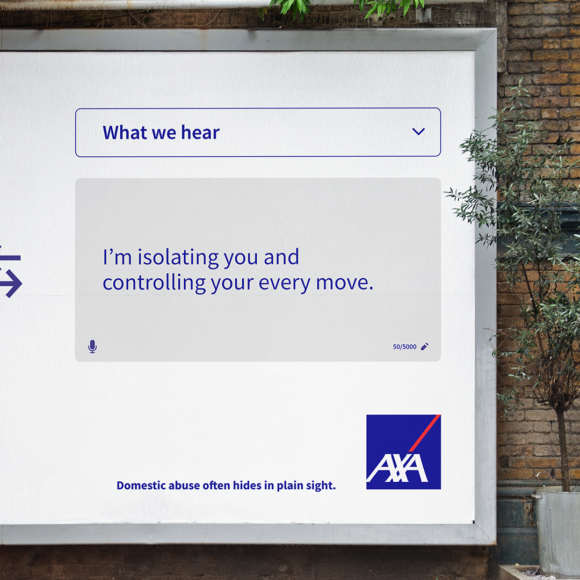
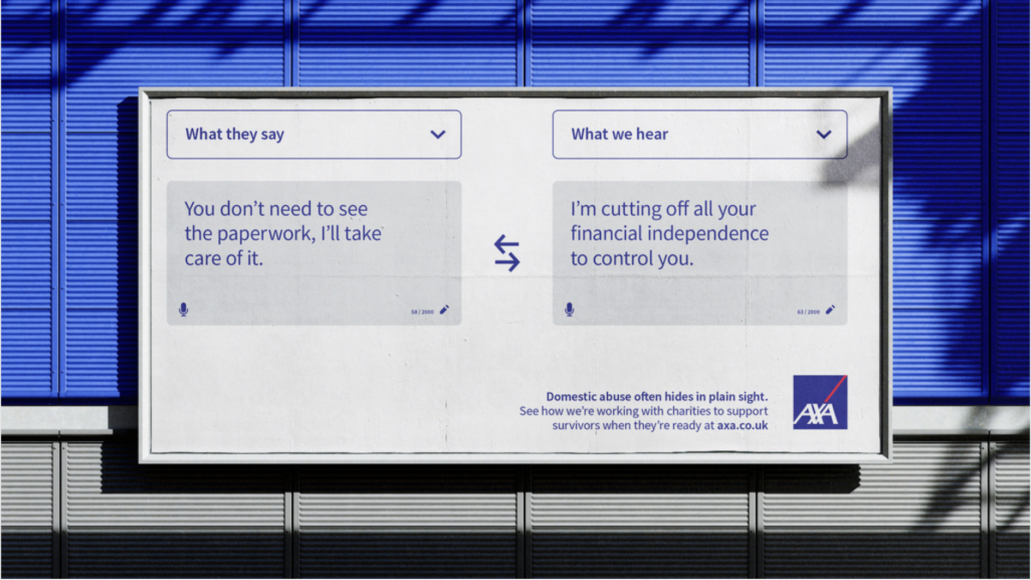
Supported by newly commissioned research, the campaign focuses on the coded language of financial abuse — everyday phrases about money, bills or “being sensible” that can mask controlling behaviour. AXA says the aim is to help people spot red flags earlier, start vital conversations, and access support before harm escalates.
Financial Abuse Remains Widely Misunderstood
According to a survey of 2,000 UK adults, financial abuse remains one of the least recognised forms of domestic abuse, despite being common in abusive relationships.
Dr Imren Sterno, Lead Consultant Clinical Psychologist at AXA Health, explains that people often overlook behaviour they would immediately flag in other relationships.
“Many people dismiss warning signs because they want to believe their partner has their best interests at heart,” Dr Sterno says. “That can make financial abuse particularly difficult to recognise.”
The findings show worrying gaps in awareness. Almost a quarter (24%) of respondents said they would not consider a partner controlling their bank accounts to be abusive, while 40% did not see denying access to a passport or ID as a red flag. Meanwhile, 42% said concealing financial paperwork wouldn’t raise concern, and 21% believed being removed from an insurance policy could be considered “normal” in a relationship.
Abuse That Happens Behind Closed Doors
The research also highlights how easily financial abuse can go unnoticed by others. Nearly one in five respondents (19%) said they wouldn’t be able to identify if a friend or family member was being financially manipulated, while 68% believe financial abuse is hidden most of the time and 62% say it happens behind closed doors.
Dr Sterno advises that recognising behavioural changes is key. These may include withdrawing from friends and family, making frequent excuses, becoming less communicative, or showing heightened anxiety. Changes in appearance or confidence can also signal something is wrong.
Anna Williamson Fronts AXA’s Awareness Campaign
Fronting the campaign is TV presenter and relationship coach Anna Williamson, who has previously spoken about experiencing financial abuse herself. By sharing her story, Williamson hopes to break down stigma and help others recognise the signs earlier.
“Financial abuse isn’t always obvious, and that’s what makes it so dangerous,” Williamson says. “It can sound like everyday conversations about money — who’s ‘better with finances’ or what’s ‘sensible’ to spend. Over time, that language can become a way of controlling someone and leaving them feeling trapped.”
AXA Partners with Women’s Aid and Smart Works
To ensure survivors receive the right support, AXA UK is working alongside Women’s Aid and Smart Works to train its specialist teams to recognise potential signs of domestic abuse, respond with empathy, and refer individuals to expert support services.
Tara Foley, Chief Executive Officer at AXA UK & Ireland, says businesses have an important role to play.
“Financial abuse often hides in plain sight, but even some of the most obvious signs can be hard to see,” Foley says. “By working with Women’s Aid and Smart Works, we’re helping to raise awareness, empower people to recognise the signs, and offer practical support when it’s needed most.”
She adds that AXA has trained its call centre teams to respond appropriately when customers disclose abuse, helping close the awareness gap highlighted by the research.
Growing Pressure on Businesses to Act
Public expectation is also shifting. The research found that 74% of respondents believe financial services companies should do more to raise awareness of financial abuse and support those affected.
AXA’s campaign includes out-of-home advertising that reframes everyday phrases commonly used by perpetrators, revealing the controlling realities they may hide and encouraging the public to look beyond the surface.
For more information on AXA’s domestic abuse support initiatives, visit the official AXA UK domestic abuse resource hub.
If you or someone you know needs help, further support for victims and survivors is available via Women’s Aid.


