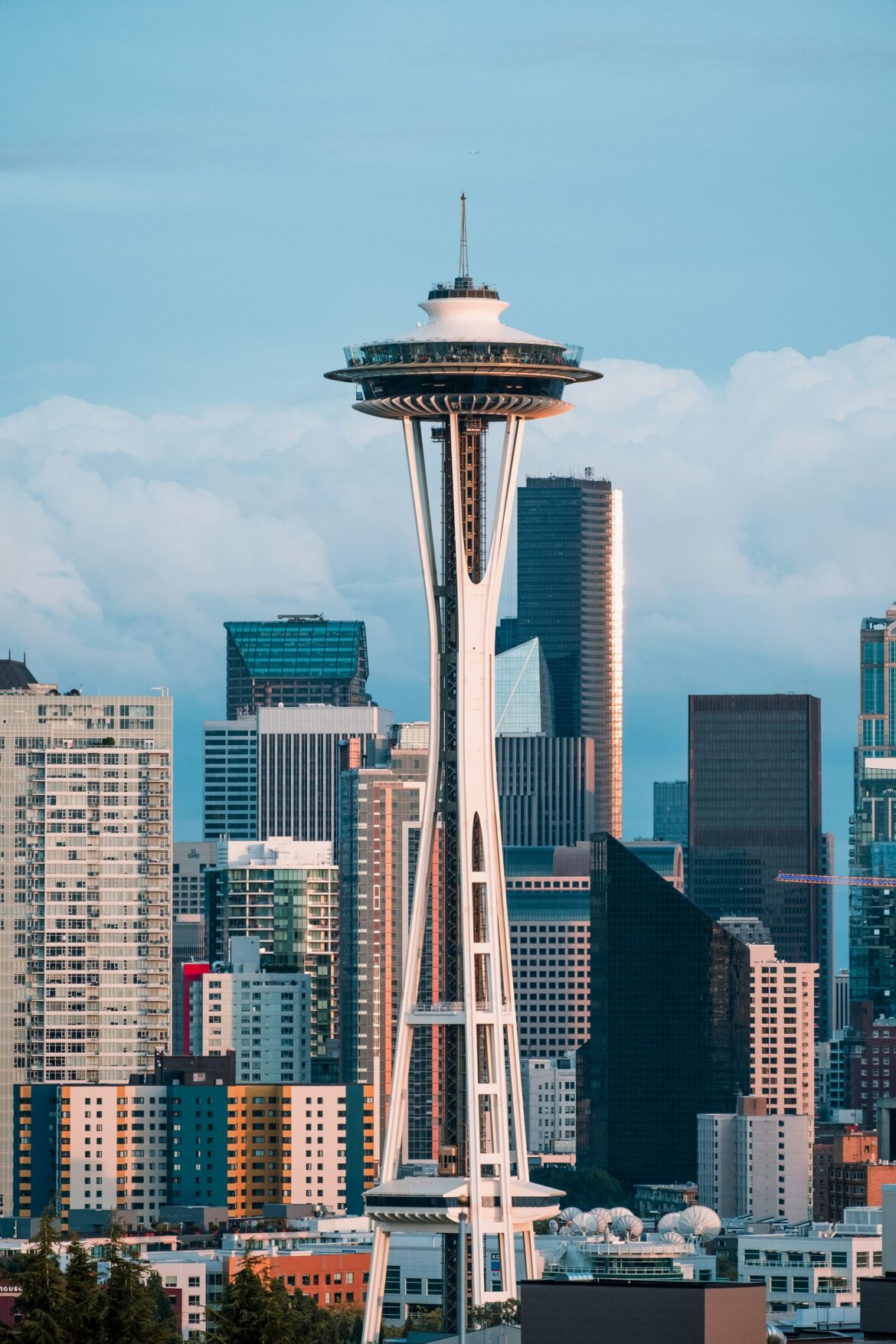
It seems very likely that basketball will be returning to Seattle first the first time in 20 years. The NBA has moved to explore expansion in both Seattle and Las Vegas.
Before the 2008-2009 season, the SuperSonics moved from Seattle to Oklahoma City and rebranded as the Thunder. The expansion franchises are expected to start playing during the 2028-2029 season.
It’s with much anticipation that basketball returns to Seattle, and to celebrate the homecoming, here are three reasons why we should all be happy that basketball is back in the Emerald City.
Pedigree
The Seattle SuperSonics had real history during their time. They made three different NBA Finals appearances and won their lone Finals in 1979.
Their most notable stretch in the public eye was during the mid-90s. Sure, their 1995-1996 team may have been overshadowed and bested in the Finals by the Michael Jordan-led Chicago Bulls, but those Seattle teams were chock-full of talent.
That 1995-1996 team went 64-18 and featured players like Gary Payton (who won Defensive Player of the Year), Shawn Kemp, Hersey Hawkins, Detlef Schrempf, and Sam Perkins. Payton and Kemp finished in the top 10 in MVP voting and were both selected for All-NBA Second Team.
But in terms of accomplishments, the stretch from the mid-to-late 70s was probably the best period in Seattle’s history. Often overlooked because it was one of the more fallow periods in NBA history, the SuperSonics thrived. They made the playoffs five times in six seasons, and in the final three seasons of this stretch, they advance to at least the conference finals in each.
They were coached by Lenny Wilkens, a great, and likewise overlooked coach. Wilkens has the third most wins in NBA history, clocking in at 1,332 victories. Dennis Johnson, Jack Sikma, and Gus Williams were the best players from this run, and they too have been overshadowed by later teams and players.
Fans
Seattle has notoriously great fans. At Seahawks games, the 12s cheer on their team. They play in a stadium that is engineered to create record-breaking sounds. At one point, it was the loudest outdoor stadium in the world. During Marshawn Lynch’s now infamous “Beast Quake” the fans were so loud that they registered seismic activity.
In terms of attendance, Seattle teams also rank highly. The Storm are among the league leaders in the WNBA in terms of attendance and as are the Kraken and Seahawks with the NHL and NFL respectively.
There is a fan appetite for a professional basketball team in Seattle, and the NBA likely wouldn’t have to worry about selling tickets either.
The Right Thing to Do
Unless you’re an Oklahoma City Thunder fan, no one thinks that SuperSonics ever should have left Seattle. They were so important to the city itself and had been there since the 1960s. Seattle was a great basketball city and deserved to have a team.
The franchise’s move to Oklahoma City was marred by legal disputes and challenges. It remains a stain on the legacy of the NBA, and then commissioner, David Stern.
Howard Schultz, who was at the time, the leader of the SuperSonics ownership group, tried to lobby the city to help fund a new arena. He wanted $220 million from the city—this is an important figure to remember.
Upon not receiving this sum, Professional Basketball Club, an investment group based in Oklahoma City, acquired the SuperSonics from Schultz and the previous ownership group. However, there was a stipulation in which the new owners had to at least try and find a place for the team in Seattle prior to moving them.
Professional Basketball Club asked for $500 million from the city, more than double what the last ownership group had asked for. Following this, Professional Basketball Club sought to relocate the team which led to lawsuits and eventual settlements. But the result was that the SuperSonics were no longer in Seattle.
Seattle had their team stripped away from them. Bringing the SuperSonics, or any NBA team, back to Seattle is the right thing to do. Their original departure was because of money and politicking, which always seem to be at odds with the average sports fan. Hopefully, in a few short years, this can be remedied.