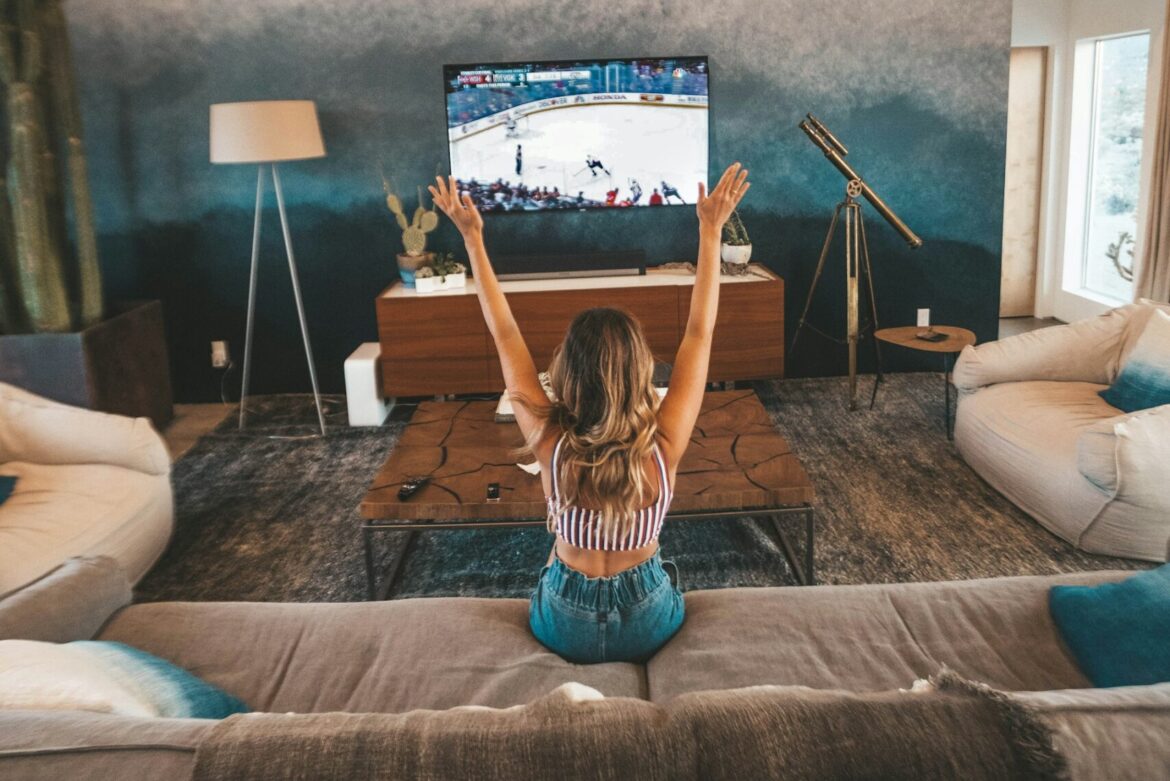
There’s a long-standing assumption that sport is a communal experience — that the roar of a crowd, whether live or in your mate’s living room, is what makes it meaningful. But that framing leaves out a significant chunk of fans who do their best watching solo, quietly, on their own terms. And honestly? They might be onto something.
Solo viewing isn’t a consolation prize. For a growing number of young fans, it’s the preferred format — one that offers sharper focus, deeper emotional investment, and the freedom to actually feel the game without performing for an audience.
Online Platforms Changing Solo Fan Behaviour
Streaming has fundamentally shifted how people engage with sport. Docuseries like Netflix’s Drive to Survive or Break Point have created deeply personal connections between fans and athletes — the kind of connection that doesn’t need a room full of people to feel legitimate. Watching a season recap at midnight by yourself isn’t antisocial. It’s intimate.
This shift has also influenced adjacent spaces. The rise of independent online fan communities means solo viewers are never truly isolated — they’re part of something larger, just on their own schedule. Even in areas like online gaming and digital entertainment, where players increasingly engage independently, platforms cater to individual preferences. Those drawn to no verification betting sites expect the same seamless, self-directed experience that modern solo sports fans have come to value.
The Group Watch Myth, Debunked
Group viewings come with noise, and not just the good kind. There’s the constant commentary, the interruptions, the person who won’t stop checking their phone. When you’re watching with others, part of your attention is always on the social dynamic, not the sport itself.
Passive sports viewing — including solo watching — correlates as strongly with personal wellbeing as active participation does, which challenges the idea that you need a crowd to get something meaningful from the experience. The emotional benefit is real regardless of who’s in the room with you.
How Solo Viewing Sharpens Your Sports Knowledge
When you’re alone, you watch differently. You notice tactics, read the play, absorb commentary without filter. There’s no need to explain offside rules to someone who wandered in for the snacks or laugh off a foul you actually think was deliberate.
Research shows that even after a loss, fans maintain enjoyment scores well above zero — and the psychological upside of a win is substantially higher than the downside of a defeat, creating what researchers describe as a kind of built-in emotional resilience. Solo viewers tap into this more directly because they’re not managing anyone else’s reaction alongside their own.
Solo Rituals That Hardcore Fans Swear By
Ask any serious fan what their matchday routine looks like and you’ll often find it’s surprisingly personal. A specific chair. A pre-match playlist. The same meal before a big game. These rituals don’t scale well to group settings — someone always wants to change the channel at half-time or order a different takeaway.
Solo watching gives you total control over the environment, which turns out to matter more than most people admit. It creates a consistent sensory backdrop that helps fans feel genuinely present in the moment — not just physically in front of a screen, but emotionally invested in what’s unfolding. For a generation raised on personalised content and on-demand everything, that level of ownership over the viewing experience isn’t a quirk. It’s the whole point.