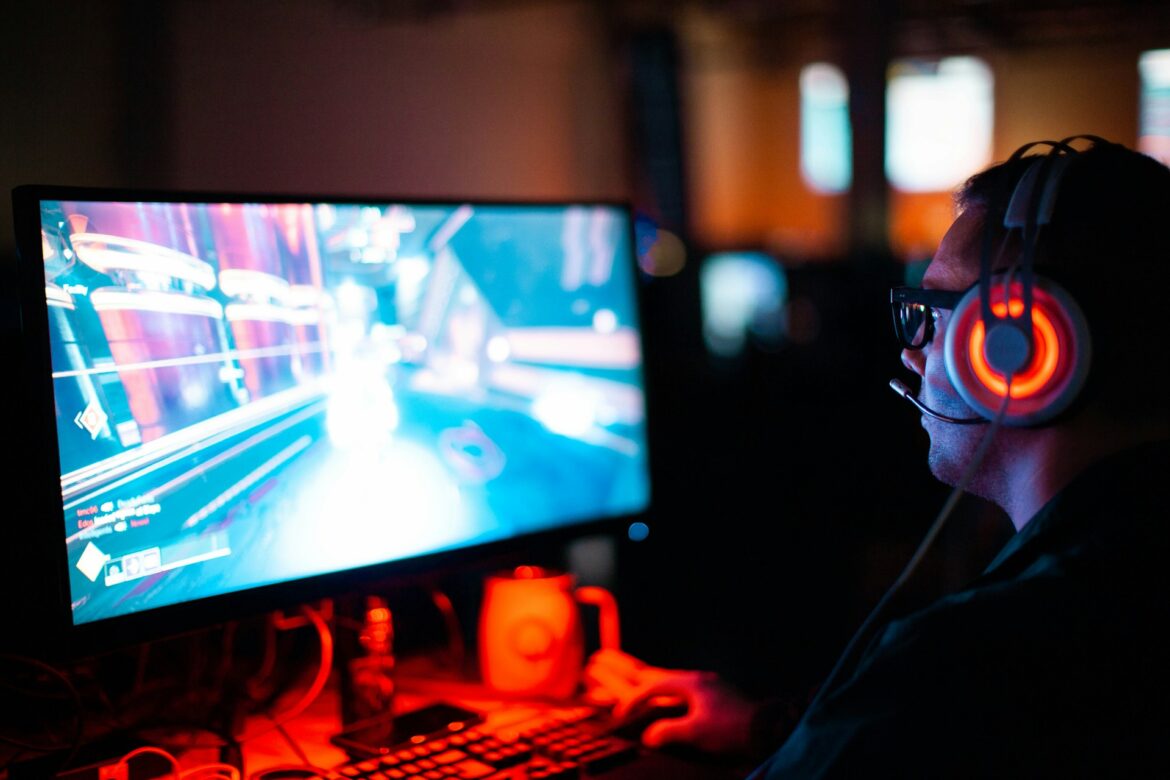
Millennials, the cohort born between 1981 and 1996, are quietly reshaping global gaming habits in 2026 by funnelling their weekly leisure hours into a strange blend of nostalgic remakes, cooperative adventures and bite-sized mobile sessions, partly because the industry has finally caught up with what they always wanted: comfort over spectacle, and they play from sofas in London, kitchens in Madrid and commutes in Tokyo because nothing else delivers the same mix of escapism and social glue on a budget that keeps tightening.
The numbers tell a blunt story: the average gamer is now 36, which means the typical player on any given night is a millennial, and adventure titles top their preferences, with Newzoo’s Global Gamer Study placing the genre ahead of shooters and sports for everyone under 45, a finding reflected in cross-generation breakdowns of gaming preferences that consistently surface Skyrim, Baldur’s Gate 3 and The Last of Us as the recurring favourites of the demographic.
Gaming preferences among millennials
That preference is not random, since millennials grew up with single-player epics on the PS1 and N64 and want the same emotional payoff now, just longer and prettier; Baldur’s Gate 3 alone proves the appetite, having swallowed millions of hours of millennial free time without a battle pass in sight.
The long quest, though, is only half of the equation; the other half lives on the phone, in three-minute windows, between meetings and school pickups, because eighty-eight percent of millennials play on mobile, a figure that puts them ahead of Gen X and barely behind Gen Z, simply because sessions have to fit where they fit and console marathons do not.
That fragmented schedule has pushed casual formats into territory they didn’t occupy a decade ago: match-three games, idle clickers, retro-coded arcade reboots and themed slot-style minigames have all benefited from the same shift, because millennials need entertainment that respects an interrupted life.
Inside that landscape, browser-friendly operators like jasminslots have grown alongside the puzzle and hyper-casual apps that dominate phone screens, sharing the same visual grammar of short loops, high colour and zero commitment that the demographic increasingly demands from its in-between moments.
Factors to consider
Nostalgia, however, is the deeper engine of millennial spending; Nintendo knows it, Square Enix knows it, and the secondary cartridge market is brutal proof of it, because the Final Fantasy VII Remake trilogy, the Resident Evil 4 redo, Link’s Awakening on Switch and the persistent rumours of an Ocarina of Time remake all chase the same wallets: aging thirty-somethings who will pay full price to feel ten again, since the games of 1998 to 2008 landed during their formative years and no amount of ray tracing competes with a memory.
Cooperative play has become a quiet revolution inside the demographic, with Helldivers 2, It Takes Two, Lethal Company and the over-30 contingent of Fortnite turning multiplayer into a midweek dinner party, where millennials game with the same five friends they have known since university; the Discord stays open, the voices age, and nobody really minds.
Where Gen Z treats gaming as a hangout first and a game second, a shift Verge has tracked in younger digital habits, millennials still want a story arc, an ending and credits to scroll past at one in the morning, so the two generations meet in Fortnite and Minecraft but enter through different doors.
Sports simulations remain a stubborn fixture: EA Sports FC and NBA 2K continue to print money in the demographic, propped up by Ultimate Team modes that millennials are statistically more willing to fund than younger players, while strategy and management games such as Football Manager and the Crusader Kings franchise also skew heavily millennial, because people who once wanted to be midfielders or kings have settled for spreadsheets that simulate it.
Factors to consider for gaming
The economic angle deserves blunt honesty, since millennials don’t have the disposable income their parents did at the same age and the industry has noticed, hence the swell of subscription services like Game Pass and PS Plus, both heavily marketed to a generation that would rather rent a backlog than drop seventy pounds on a single release, while weekly adult engagement now sits at sixty percent in the United States, a figure that the trade body for the American video game industry ties to relaxation and connection far more than to competition.
Cloud gaming is the dark horse here, because millennials, more than any other group, are the ones testing GeForce Now and xCloud on cheap hardware, since they refuse to buy a new console every five years; the calculation is colder than nostalgia, and it may end up reshaping the industry faster than any single game launch.
The Nintendo Switch 2, on shelves since last year’s launch, has become the unofficial millennial console: portable, family-friendly, stuffed with remasters of their childhood, while Sony and Microsoft, both still chasing the prestige crown, have arguably misread what this demographic actually wants, which is not 4K cinematics at sixty frames but thirty minutes of Mario Kart before bed.
So when the industry obsesses over Gen Z and Gen Alpha while quietly leaning on millennial nostalgia to bankroll the catalogue, the contradiction begins to wobble: what happens when this generation finally stops paying for the memory of a childhood the same companies refuse to let them outgrow?