


A new public art campaign is bringing the realities of homelessness into the spotlight, using street art to share powerful stories of resilience, recovery and hope.
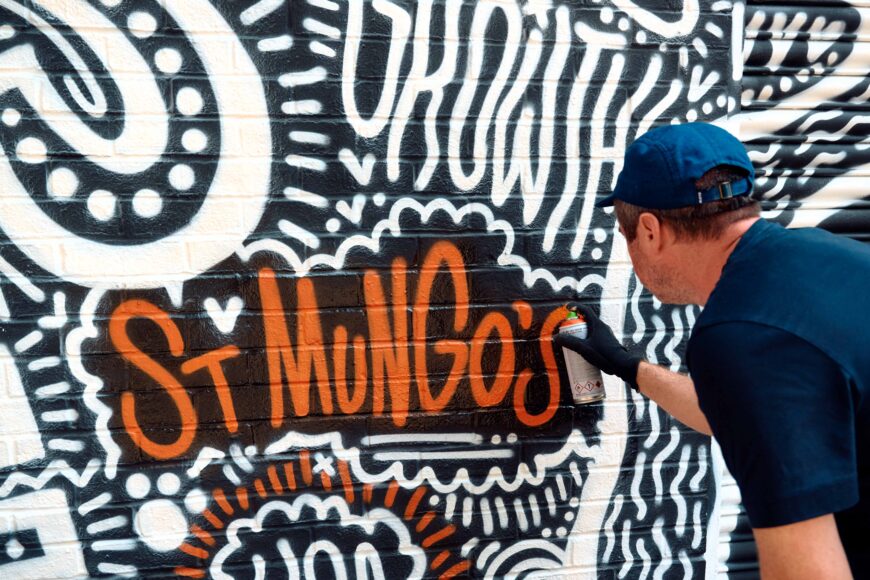
Leading homelessness charity St Mungo’s has partnered with acclaimed street artist Luke Embden to launch ‘I Was Here’, a nationwide street art initiative that transforms traditional graffiti tags into moving visual tributes to people who have experienced homelessness.
The free public installation is currently live across London, Bristol and Reading for a limited two-week period, giving visitors the opportunity to hear first-hand stories from people who have rebuilt their lives after rough sleeping.
Turning Street Art Into Stories of Survival
The campaign reimagines the familiar graffiti phrase “I Was Here” as a symbol of visibility, humanity and hope.
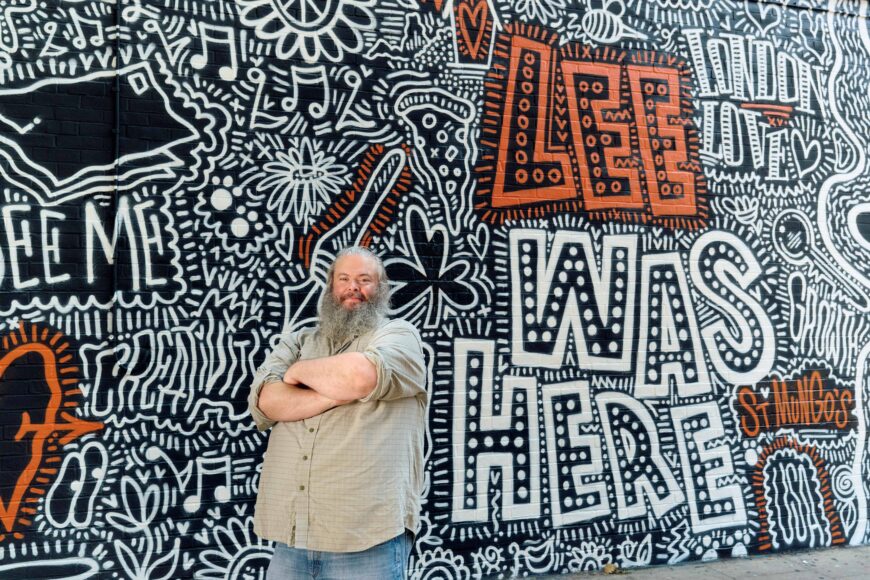
Each mural has been inspired by the lived experiences of four individuals — Lee, Lawretta, Tamika and Ray — who previously experienced homelessness before receiving support and rebuilding their lives.
Created by Luke Embden, the bespoke artworks are installed in the same cities where St Mungo’s frontline teams helped these individuals move away from rough sleeping. QR codes embedded within each piece allow passers-by to listen directly to narrated accounts of their journeys.
The campaign aims to challenge stereotypes surrounding homelessness while encouraging the public to see the person behind the circumstances.
A Growing Homelessness Crisis in England
The launch comes at a time when homelessness continues to rise across England.
According to government figures referenced by St Mungo’s, an estimated 4,793 people were sleeping rough on a single night in England last autumn, representing a significant increase compared with figures recorded when national counts began in 2010.
Charities and support organisations continue to play a vital role in helping people access accommodation, healthcare, employment opportunities and specialist support services needed to rebuild their lives.
St Mungo’s says its approach is delivering tangible results. Last year, 77% of the people the charity helped off the streets were not seen to have returned to rough sleeping, highlighting the impact of long-term, tailored support.
Lee’s Story: From Rough Sleeping to a Place Called Home
One of the featured stories comes from Lee, whose mural appears in London.
After becoming homeless and sleeping rough in multiple countries, Lee found himself on the streets of London before being approached by a St Mungo’s outreach worker. That connection led to emergency accommodation and the support needed to begin rebuilding his future.
Speaking about the campaign, Lee explained that homelessness left him feeling invisible and isolated. By sharing his experience, he hopes to challenge misconceptions and show that homelessness can affect anyone.
Just months after sleeping rough, Lee now has a place to call home and is looking ahead to the future.
The Role of Art in Changing Perceptions
For Luke Embden, the project reflects the original purpose of street art — leaving a mark and making people aware that someone was present.
By using graffiti-inspired visuals to tell personal stories, the artist hopes visitors will pause, listen and rethink assumptions about homelessness.
The campaign also builds upon St Mungo’s previous ‘We’re Here’ initiative, which highlighted the experiences of people affected by homelessness alongside the charity’s frontline workers.
Today, St Mungo’s supports more than 28,000 people annually through a network of accommodation services, mental and physical health support, employment programmes, training opportunities, substance use services and specialist support for women.
Where To See The ‘I Was Here’ Installations
The murals can be viewed free of charge at the following locations:
- London: 220 Bethnal Green Road, E2 0AA
- Bristol: 123 Stokes Croft, BS1 3RZ
- Reading: King Street, RG1 2HE
Visitors are encouraged to scan the QR codes featured within the artworks to hear the stories behind each installation and learn more about the realities of homelessness.
For more information about the campaign or to support the charity’s work, visit St Mungo’s official website.


