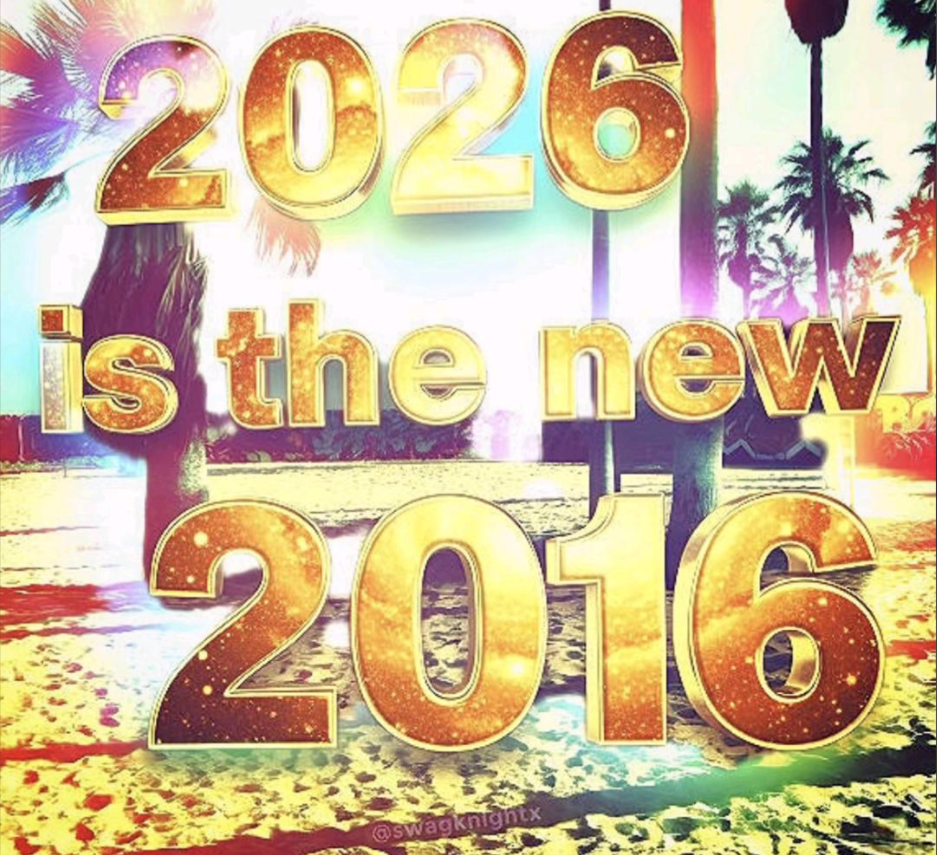
The “2026 Is 2016” meme captures a growing feeling online that fashion, music, internet humour, and even global vibes are looping back to a decade earlier.
Now commonly phrased as “2026 is literally just 2016 again,” the meme has spread rapidly across TikTok, X, Instagram, Reddit, and meme pages. It’s used to express nostalgia, irony, exhaustion, and humour — often all at once — as users point out how trends once considered outdated are suddenly everywhere again.
@djkartier 2026 is the new 2016👀🙏 Cop the piano/keyboard in bio for yall with all 1000 famous sounds💯 #2016 #2026 #nostalgia
Origins of the Meme
Unlike memes born from a single image or creator, 2026 Is 2016 emerged organically from collective online observation.
Throughout late 2024 and into 2025, users began noticing familiar patterns resurfacing: skinny jeans reappearing in fashion debates, early-2010s pop and EDM climbing back into playlists, reboots of franchises that peaked a decade earlier, and slang once mocked now being reused unironically.
Short posts on X and Reddit jokingly framed these moments with lines like “Why does it feel like 2016 again?” or “We’ve gone full circle.” By early 2026, the phrasing had crystallised into a recognisable meme format: “2026 is 2016.”
Let’s Rewind!
@notlilchrix
At its core, the meme isn’t claiming history is literally repeating itself — it’s pointing to cultural déjà vu.
Users apply the phrase to:
-
Fashion cycles returning faster than expected
-
Music styles and artists regaining popularity
-
Internet humour echoing Vine-era absurdism
-
Social media platforms reviving old features or aesthetics
-
The emotional tone of online culture feeling “lighter but chaotic” again
The joke lands because it exaggerates a truth: trends are cyclical, and digital culture accelerates those cycles dramatically.
How the Meme Went Viral
@layboomusiclover 2026 is the new 2016 #2026 #2016 #2016makeup #nostalgiacore #lushlife
TikTok played a major role in popularising the phrase.
Creators paired the caption “2026 is 2016” with:
-
Throwback songs from the mid-2010s
-
Side-by-side comparisons of old and new fashion trends
-
Clips of revived memes, games, or aesthetics
-
Ironically optimistic edits contrasting with current realities
On X, the meme thrives as short, dry commentary — often reacting to headlines, celebrity comebacks, or product re-releases. Reddit communities expanded the joke into longer discussions about nostalgia, burnout, and whether culture ever truly moves forward.
The simplicity of the phrase makes it endlessly reusable.
Nostalgia as the Punchline
@nostalgicteendream
What separates 2026 Is 2016 from pure nostalgia memes is its self-awareness.
Rather than longing sincerely for the past, the meme often highlights how strange it feels to relive it — especially for users who remember the original era clearly. Many posts carry an ironic tone: “We already did this,” or “Didn’t we learn from last time?”
This gives the meme a dual function:
-
Comfort through familiarity
-
Humour through repetition
It resonates strongly with Gen Z and younger millennials, who grew up online and can recognise recycled trends instantly.
A Reflection of Internet Fatigue
The meme also works as subtle commentary on digital exhaustion.
By joking that 2026 feels like 2016, users are implicitly noting how fast culture moves — and how little it sometimes feels like it changes. The repetition becomes funny because it’s slightly unsettling, reflecting a shared sense of being stuck in a loop of rebrands, reboots, and reuploads.
It’s less about wanting to go back, and more about noticing that we never really left.
“2026 Is 2016”: A Modern Meme Snapshot
@bbcnews What do you remember about 2016? #2016 #Nostalgia #Snapchat #Memories #BBCNews
The strength of the 2026 Is 2016 meme lies in its flexibility. It can be celebratory, sarcastic, critical, or comforting depending on context — a hallmark of long-lasting internet jokes.
Rather than relying on a single image or format, it functions as a cultural caption, attaching itself to whatever trend feels suspiciously familiar. In that sense, it perfectly represents the modern internet: hyper-aware, self-referential, and constantly remixing its own past.
History may not be repeating itself — but online, it’s definitely refreshing the page.